Du même artiste See all
-
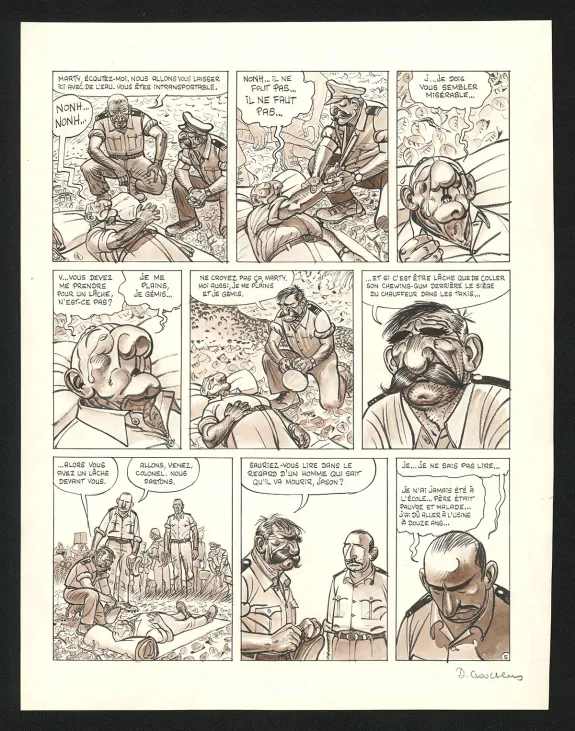
Daniel Goossens
Voyage au bout de la lune
Original page 5 from the story In the heart of the jungle
2 000 € -
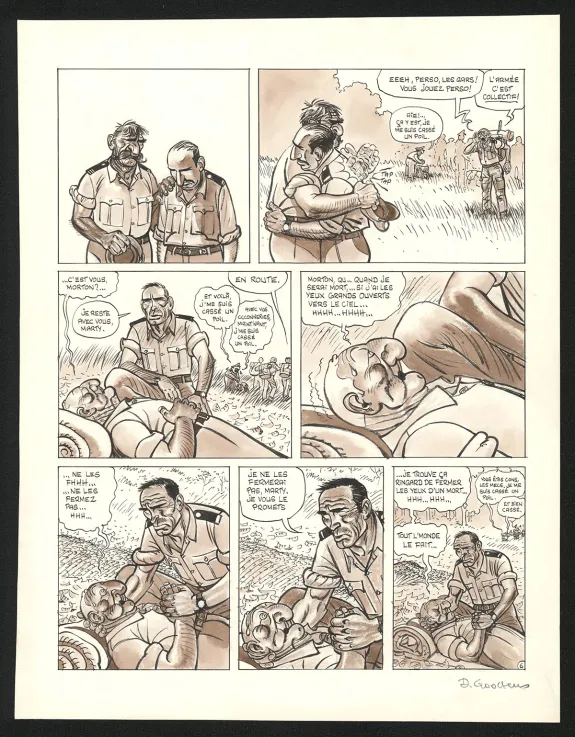
Daniel Goossens
Voyage au bout de la lune
Original page 6 from the story In the heart of the jungle
2 000 € -
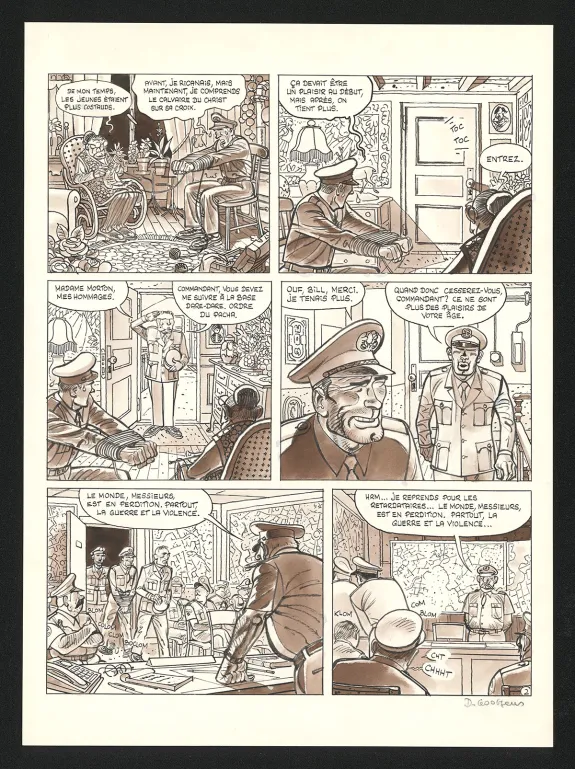
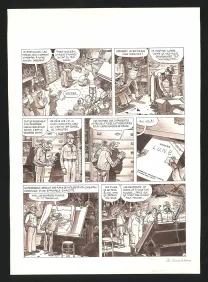
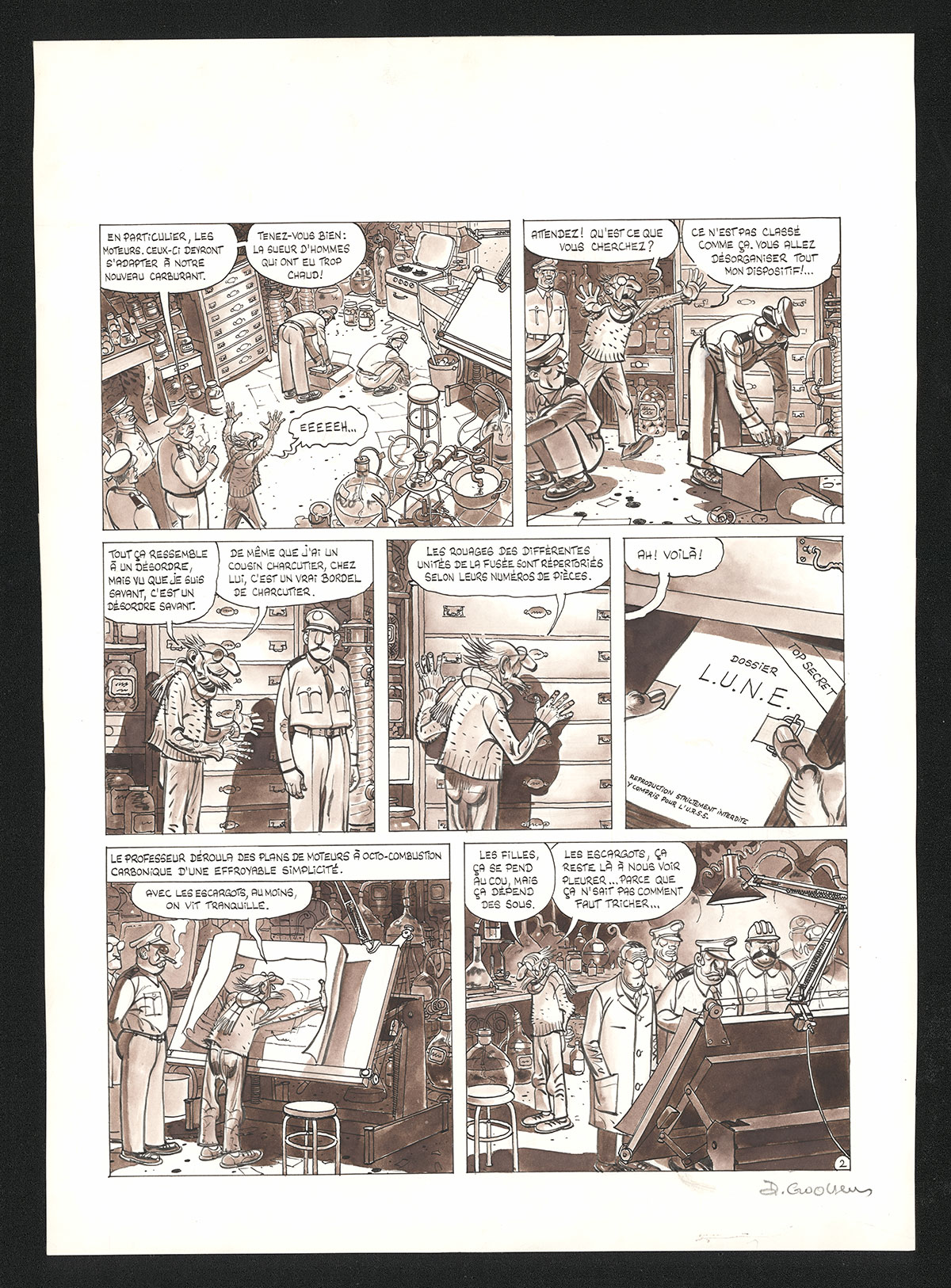
Daniel Goossens
Voyage au bout de la lune
Original page n°02 from the story Journey to the End of the Moon
1 800 € -
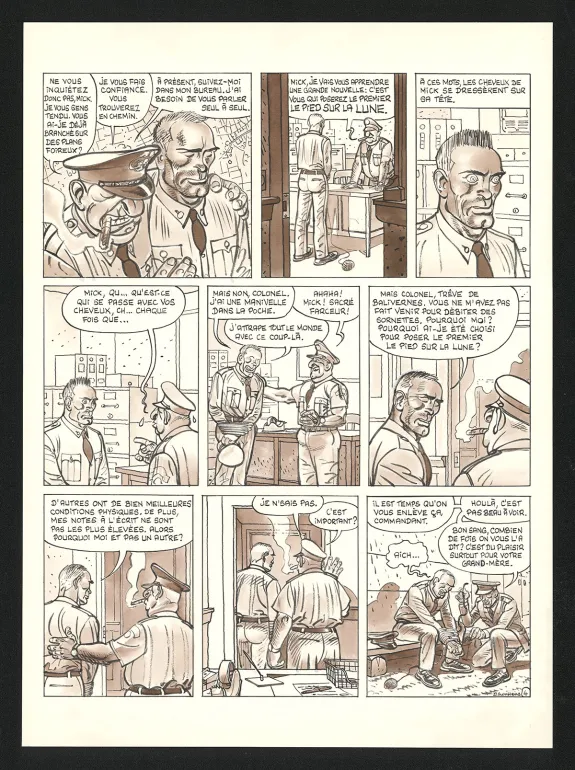
Daniel Goossens
Voyage au bout de la lune
Original page n°04 from the story Journey to the End of the Moon
1 500 € -
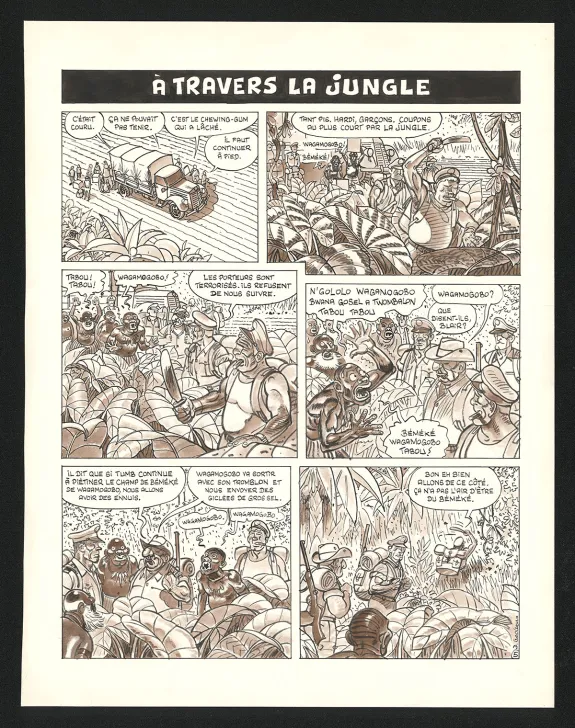
Daniel Goossens
Voyage au bout de la lune
Original page n°01, numbered 5, from the story Through the Jungle
1 500 € -
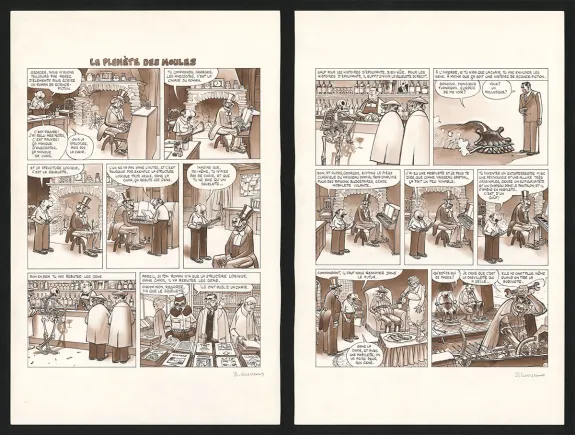
Original page 40 & 41 from the story Planet of the Mussels
4 000 € -
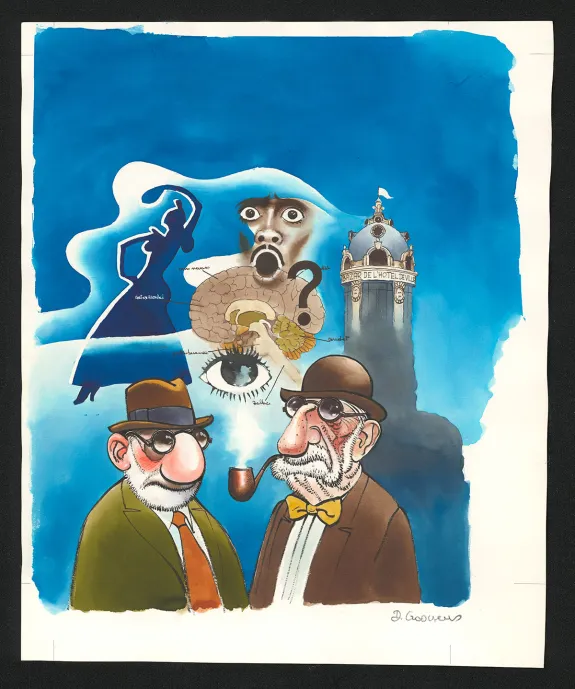
Original Cover
4 000 € -
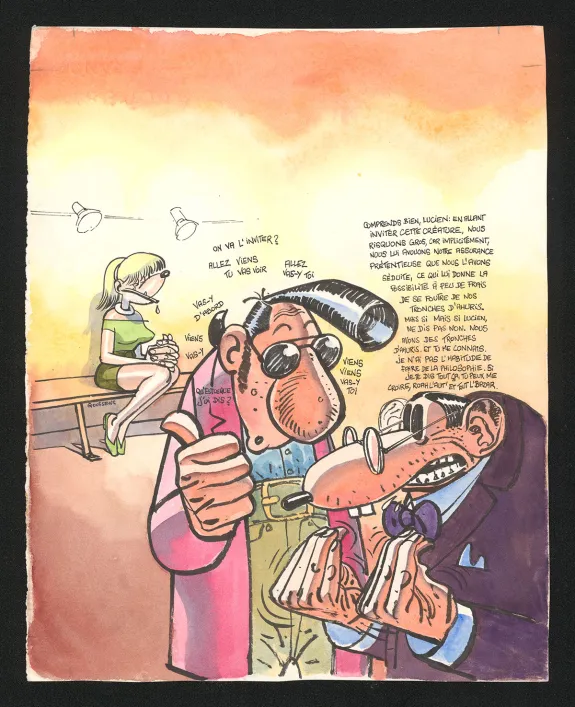
-
-
-
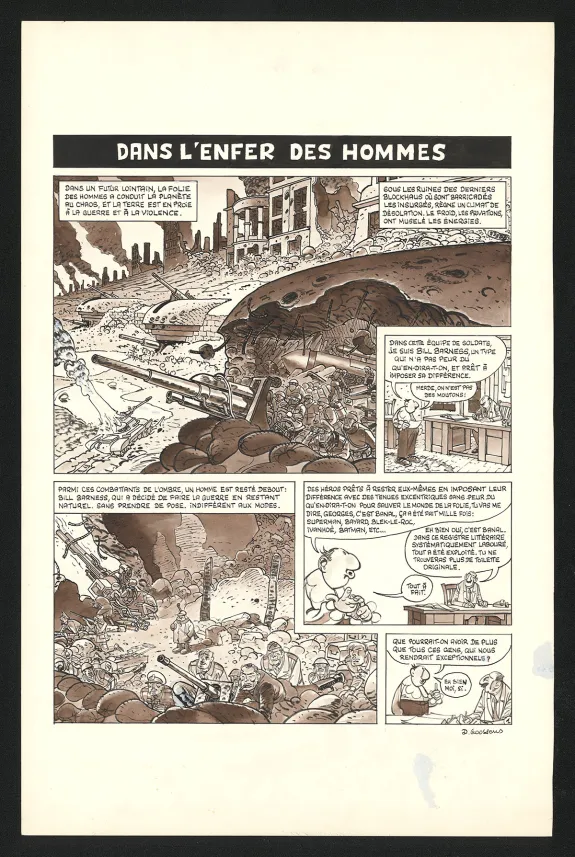
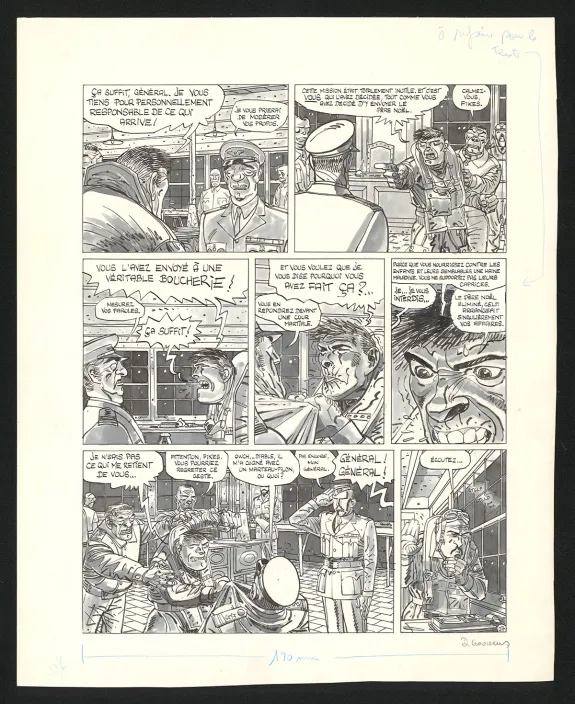
Original page n°1 from the story In the Hell of Men
2 000 € -
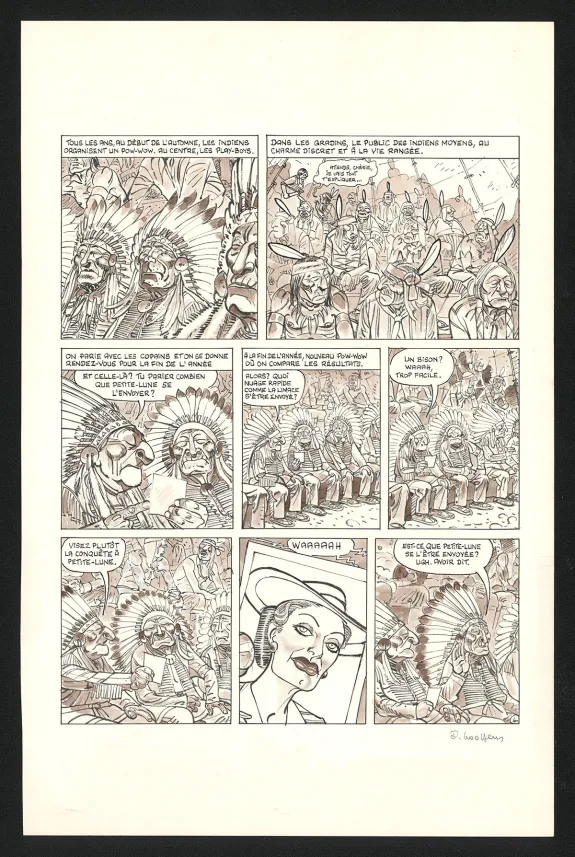
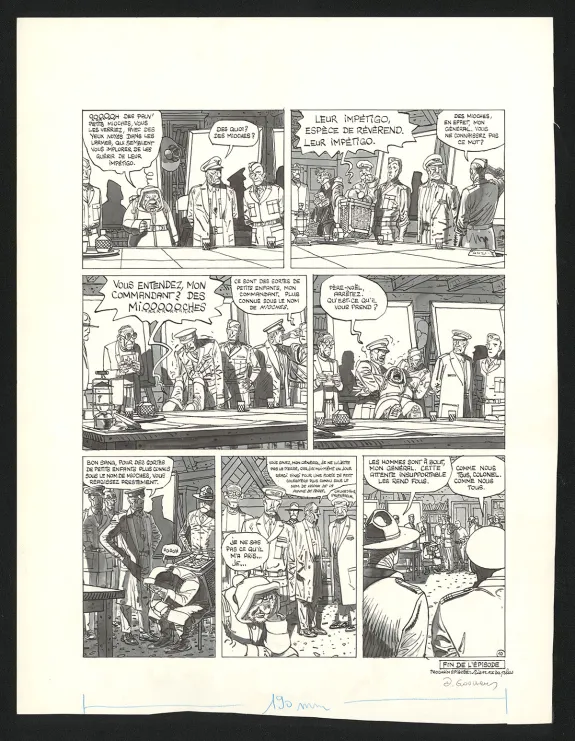
Original page 4 from the story The Indians
2 000 €


You will also like...
-
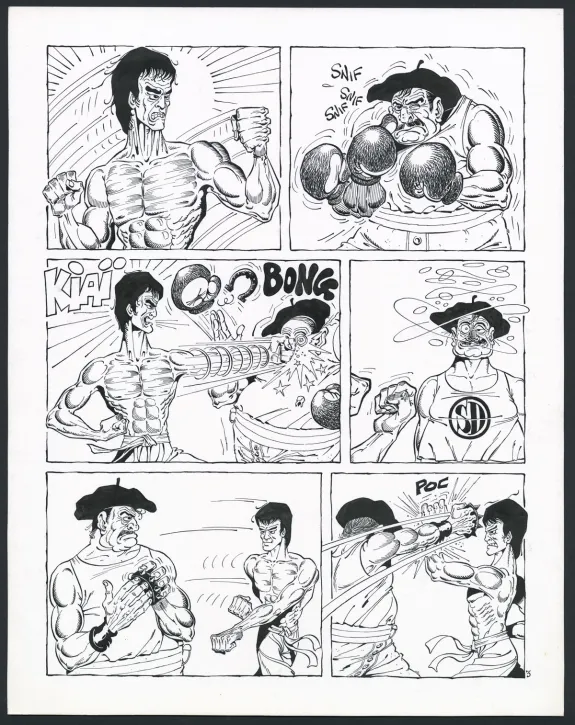
Planche originale n°03 pour l'histoire en 9 pages "Kung Fu Glacial"
12 000 € -
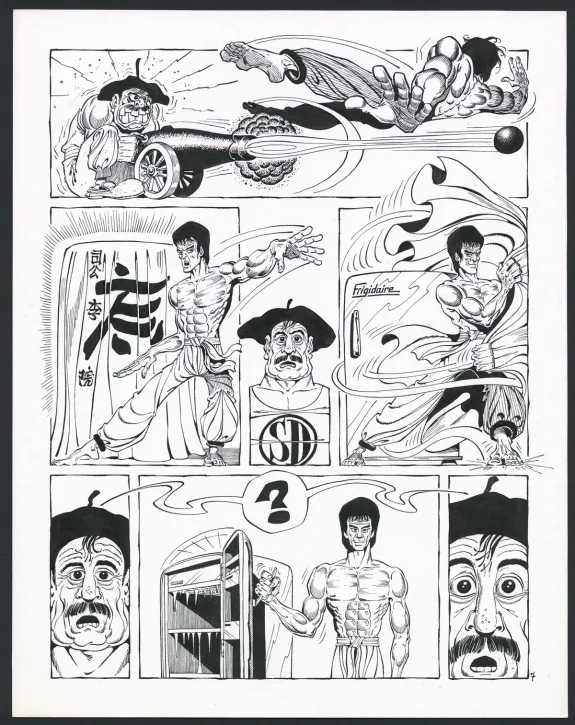
Original page n°07 for the 9-page story "Kung Fu Glacial".
12 000 € -
-
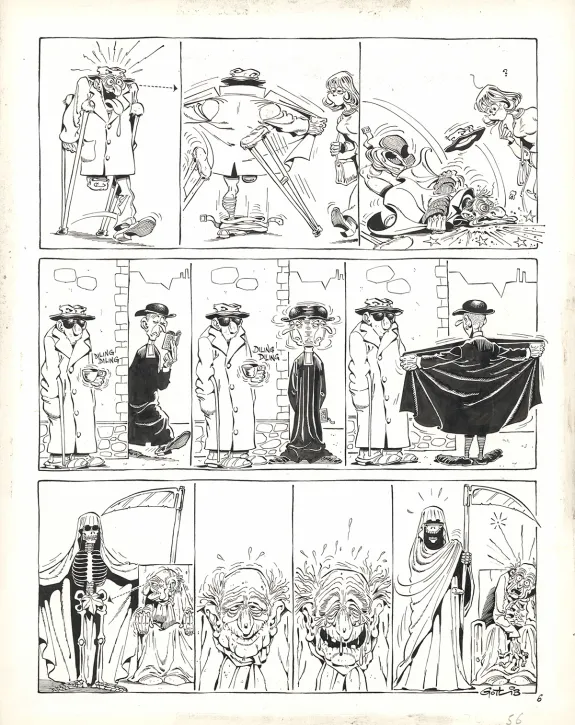
Marcel Gotlib
Les Dingodossiers
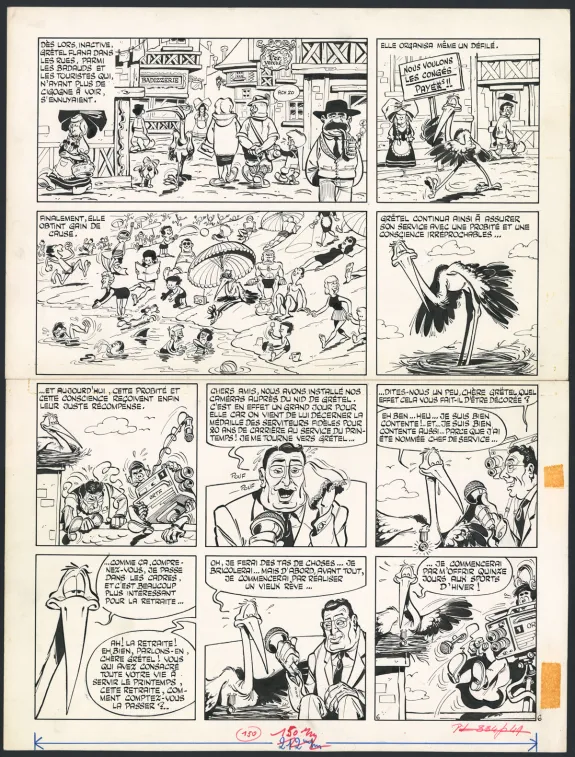
Planche originale 6 pour l' histoire complète en 6 pages " Grëtel cigogne de première classe "
9 000 € -
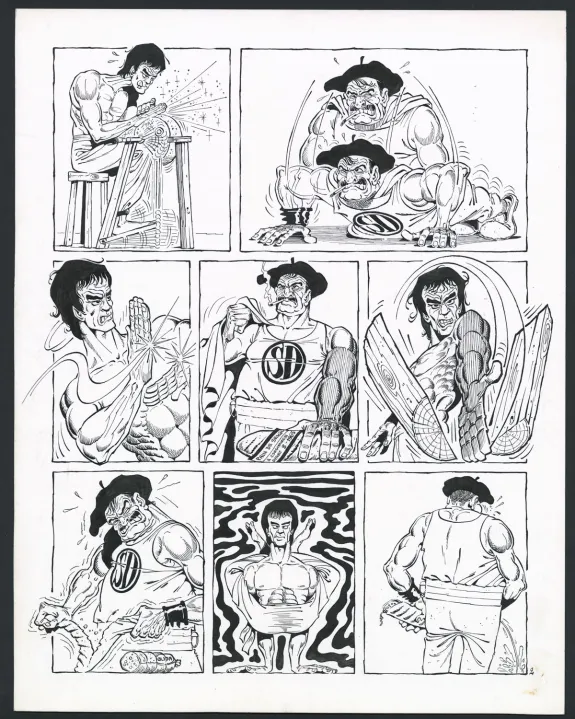
Planche originale n°02 pour l'histoire en 9 pages "Kung Fu Glacial"
12 000 € -
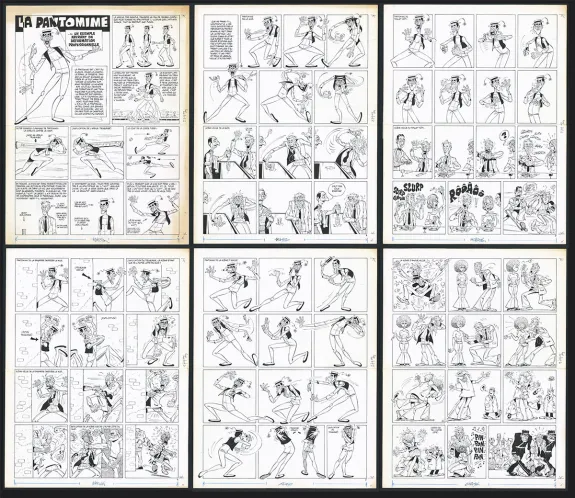
Le Pantomime, Full story in 6 original plates, firstly published in Annuel Pilote of 1973
25 000 € -
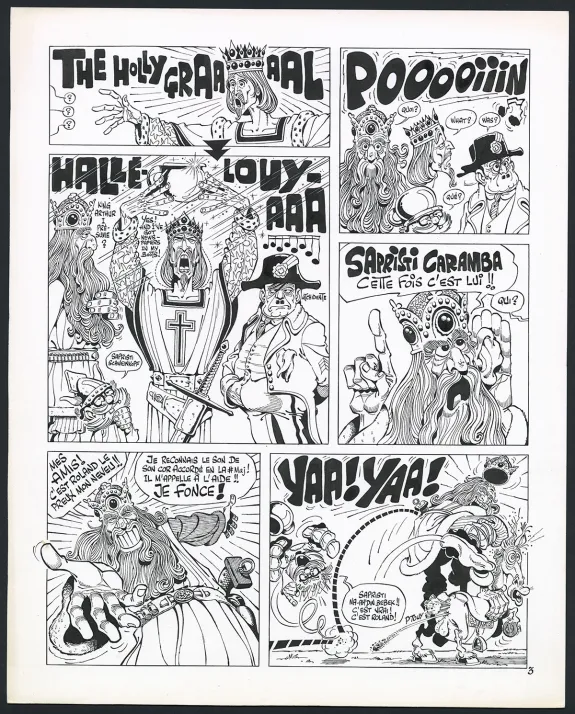
Planche originale n°03 pour l'histoire complète en 7 pages "Durandal", avec des hommages à Arzach…
9 000 € -
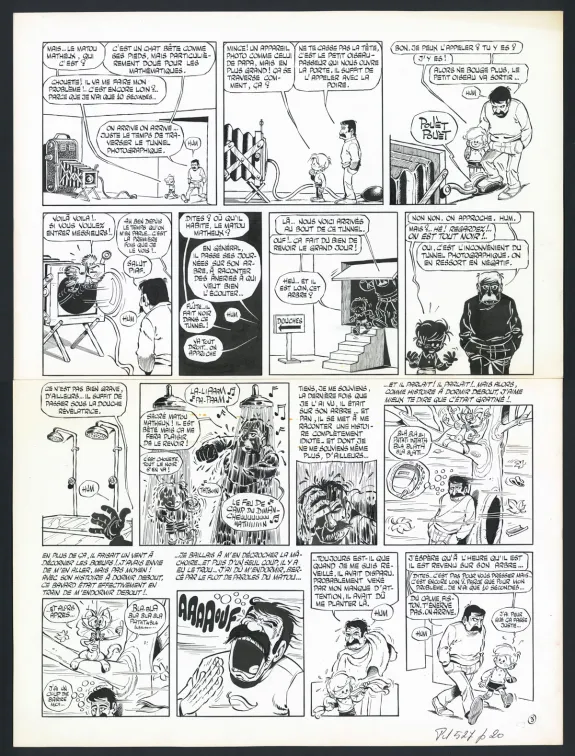
Planche originale n°3 pour l'histoire en 8 pages en hommage à Fred, l'auteur de Philémon "Le…
7 000 € -
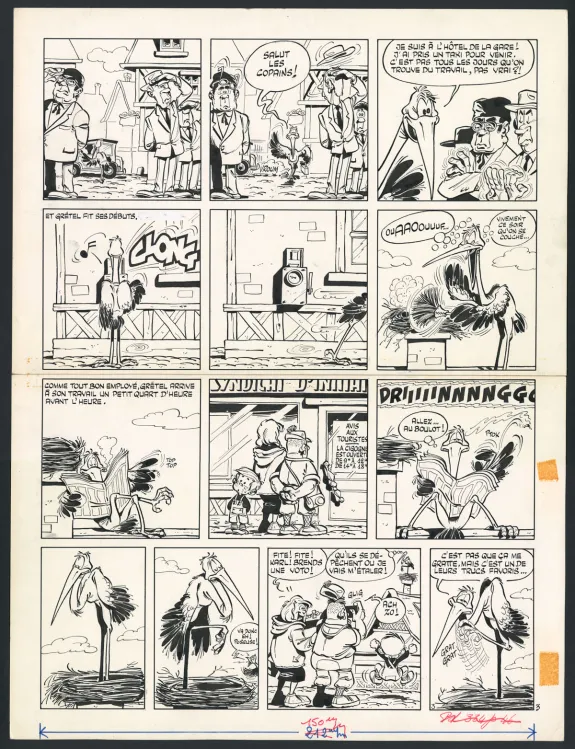
Marcel Gotlib
Les Dingodossiers
Planche originale 3 pour l' histoire complète en 6 pages " Grëtel cigogne de première classe "
10 000 € -
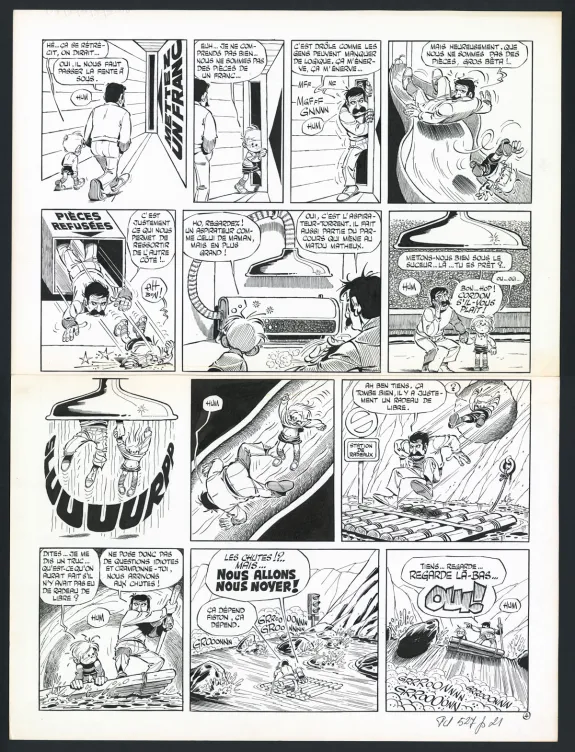
Planche originale n°4 pour l'histoire en 8 pages en hommage à Fred, l'auteur de Philémon "Le…
7 000 €


Latest news See all


The artist

Series and albums to discover
20 available artworksSecure payment
All payment methods accepted
Careful shipping
Insurance & tracking
