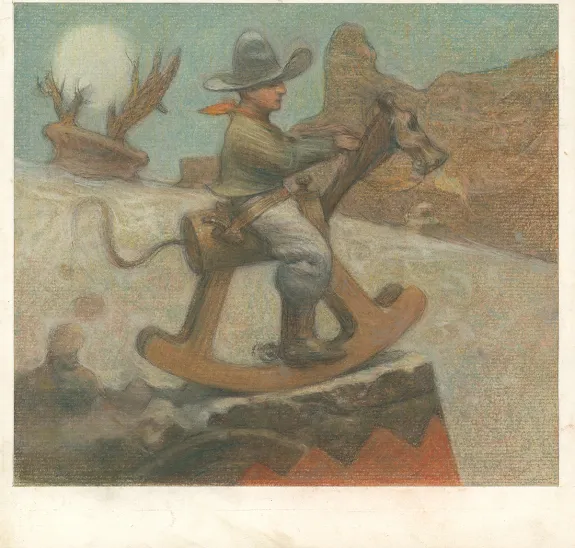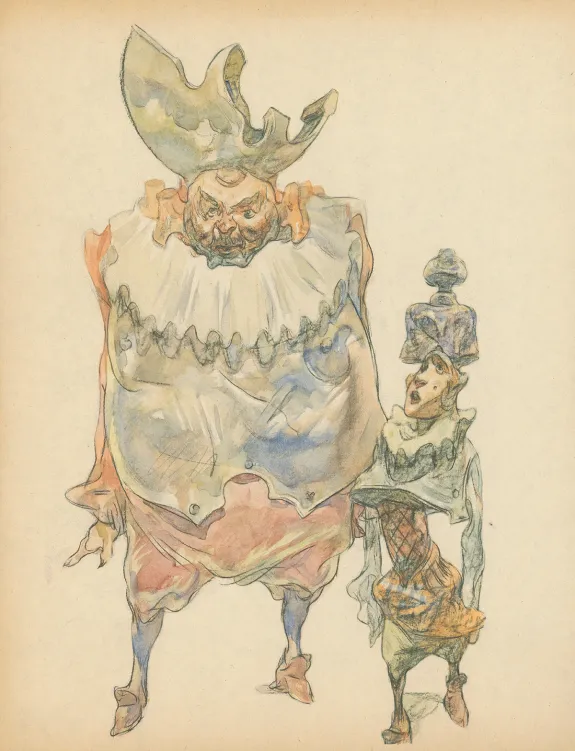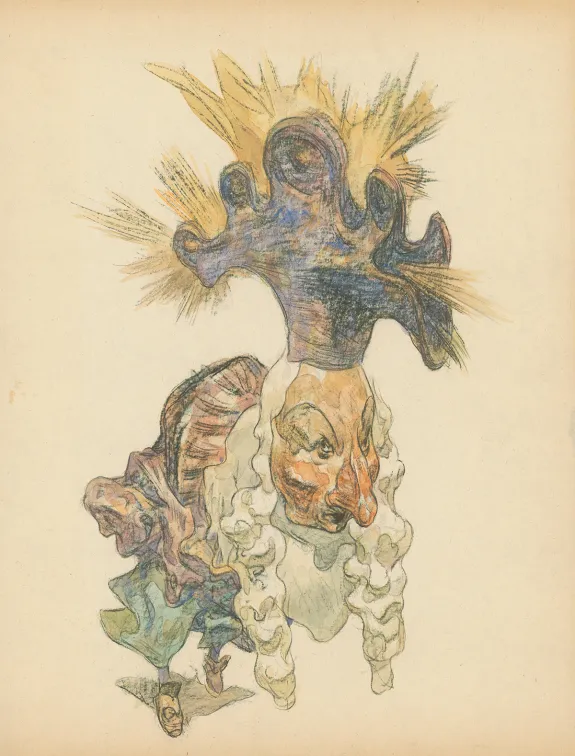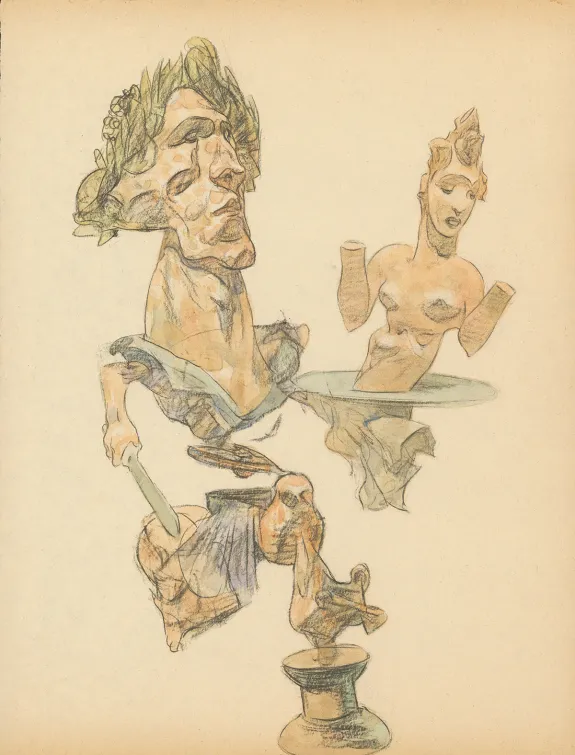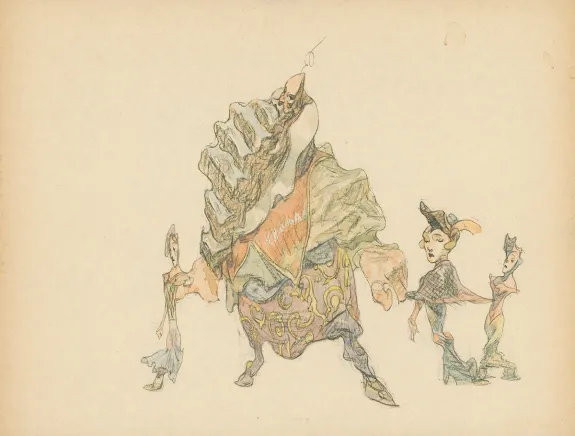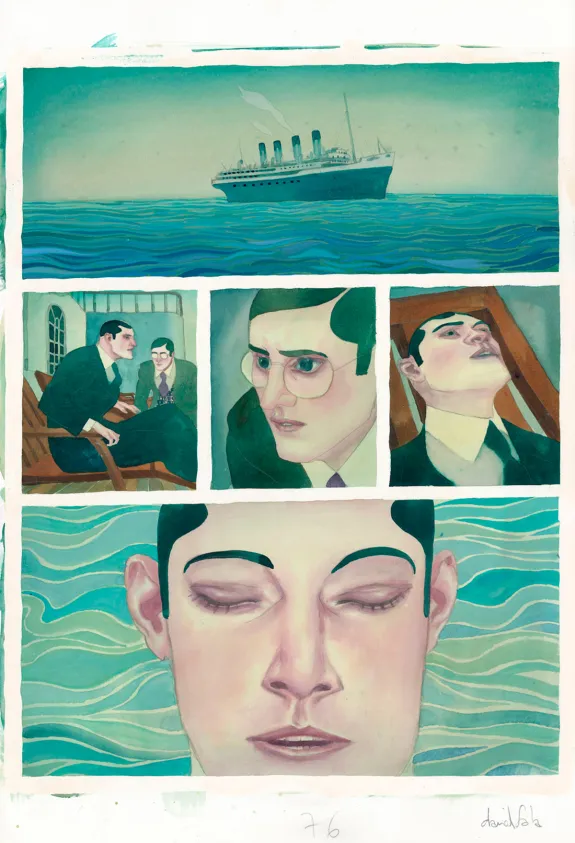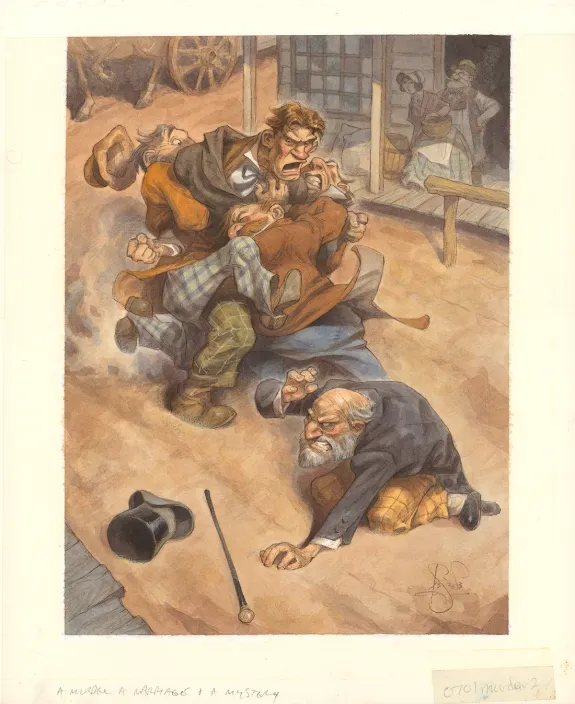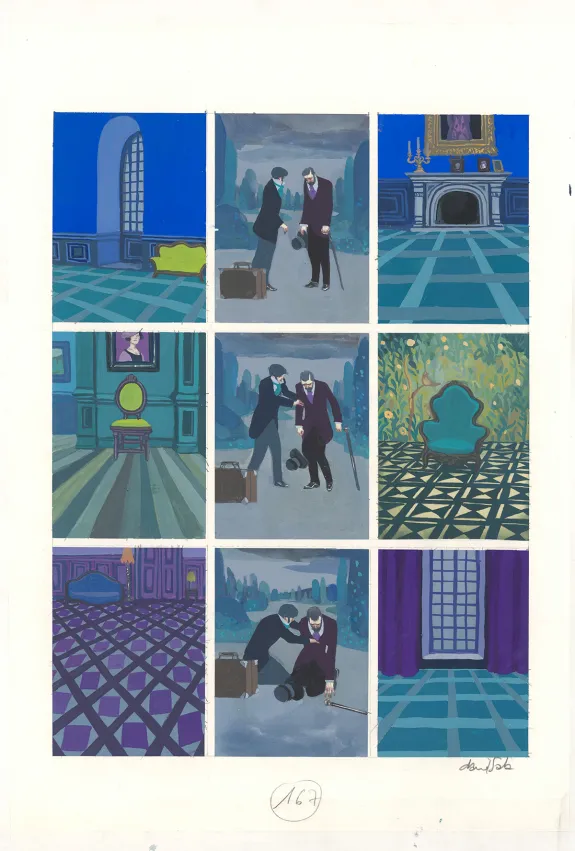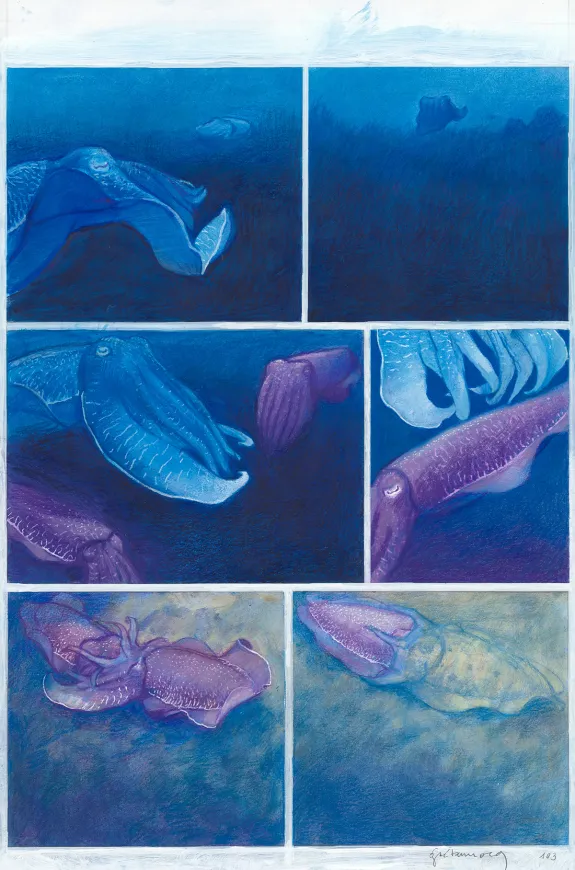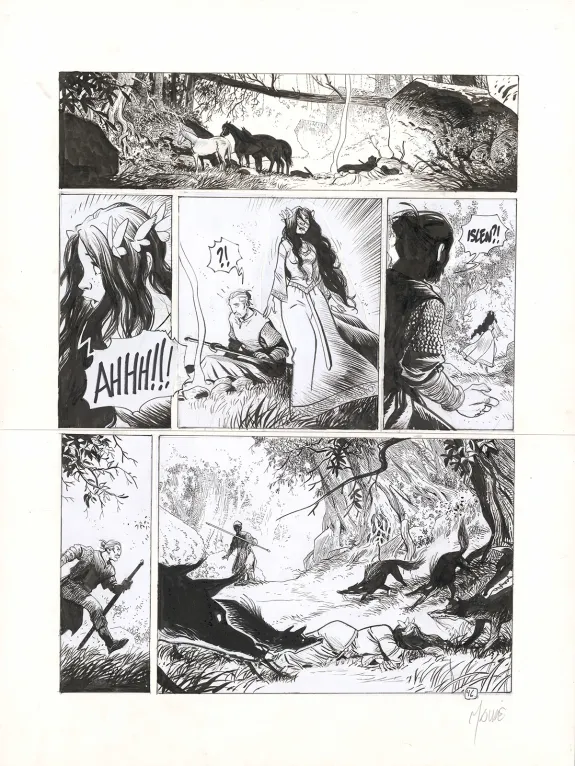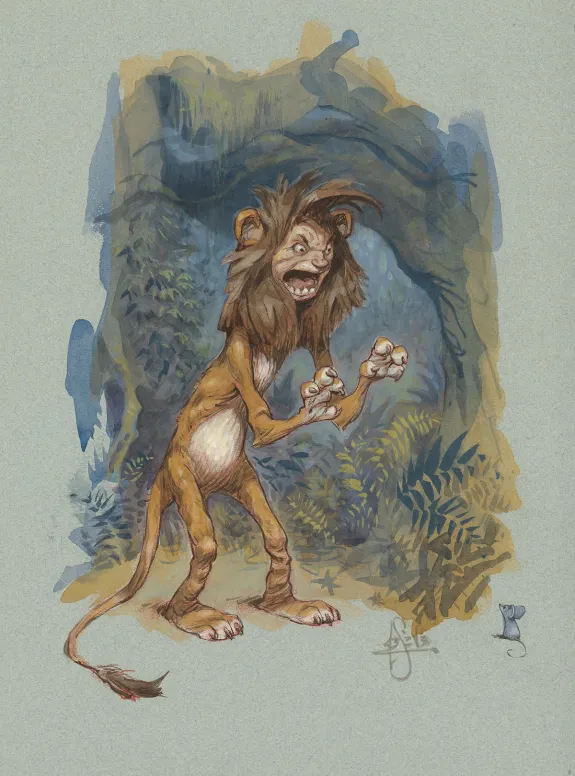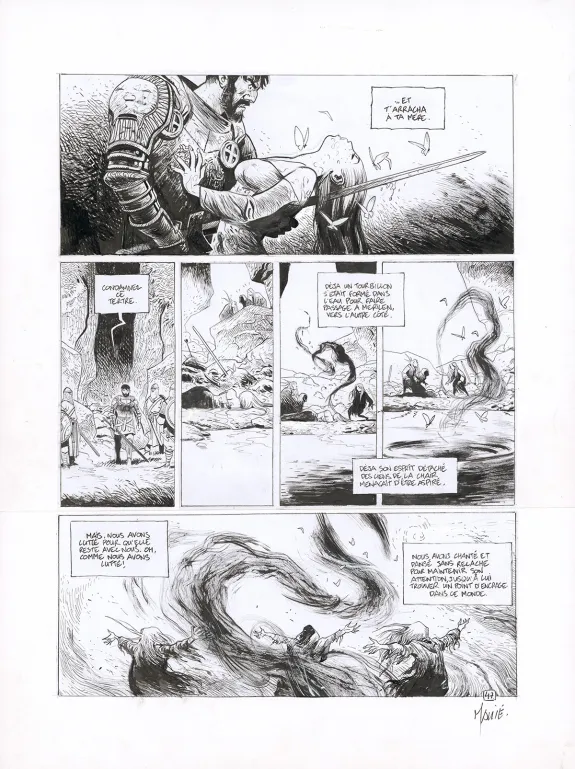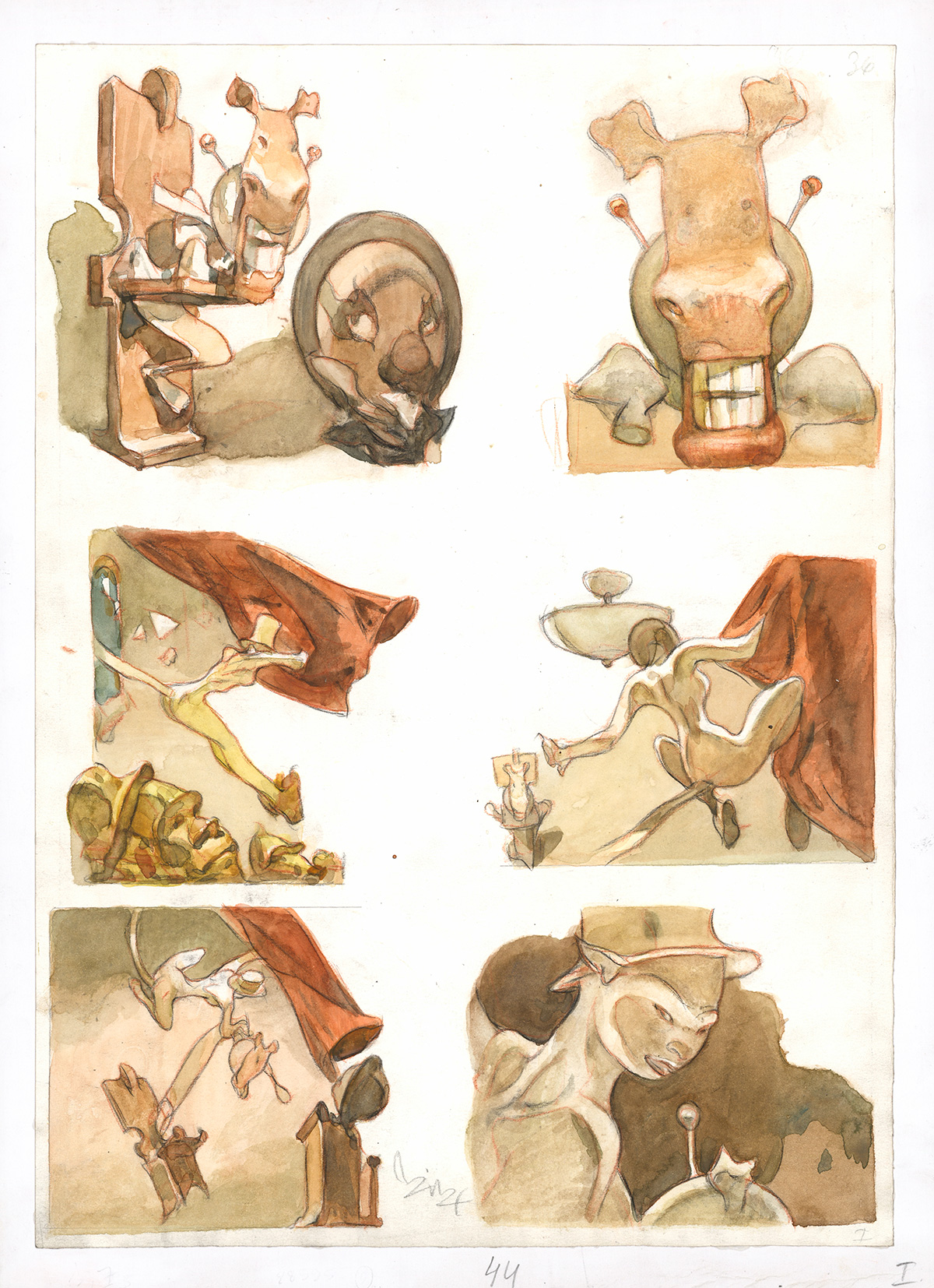
Extravagant and dreamlike, Carlos Niné’s style possesses a distinct graphic identity that is sure to captivate the viewer. With Fantagas, he marked a turning point in Latin American comic art, creating a phantasmagorical world that brilliantly blends grace and the grotesque. Claiming a “neofigurative” approach, his style constantly oscillates between graphic poetry, satire, and irony in a unique pictorial choreography.
To ensure that your pages are kept in good condition, we recommend that you never expose them to direct light, as UV rays can damage the media used to produce them. Although Indian ink is a perennial material, the paper support may change when exposed to UV light. Note that watercolor plates require special attention, as this medium is particularly sensitive to light. Pieces containing pastel or charcoal require special care to avoid rubbing.
We advise you to display them away from windows, and to use frames made of pH-neutral conservation materials and “Museum” glass with anti-UV and anti-reflective treatment. If you prefer to keep your works unframed, we recommend storing them flat, in drawing cartons, with sheets of pH-neutral permanent paper in between. Keep them away from light and humidity.
Born in 1944 in the province of Buenos Aires, Carlos Nine studied at the Academy of Fine Arts before becoming a painter, sculptor, animator, illustrator and comic artist. He made his debut in the satirical magazine Humor, before starting to collaborate in 1993 with international publications such as L’Écho des savanes and The New Yorker. His graphic novels, including Meurtres et châtiments (Murders and Punishments, 1991) and Le Canard qui aimait les poules (The Duck who loved Chickens), which won an award at Angoulême in 2001, marked his entry onto the French scene. He followed these with Pampa, Donjon Monsters, and Tropikal Mambo, developing a unique visual universe. A master of watercolor and an admirer of Edmond Dulac, he received the Konex Platinum Award in Argentina in 2012. Complete biography.