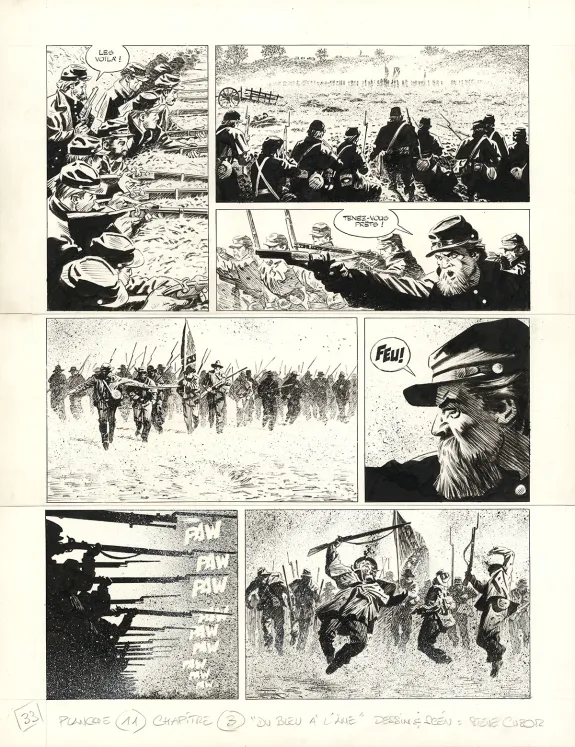
Sylvain Vallée
Topics :
- Historical
- Thriller
- Crime novel
- Adventure
- Action
Ligne Claire and Noir Fiction
Sylvain Vallée began his career as a freelance illustrator after studying at the École Saint-Luc in Brussels. His first album, L'Écrin (The Jewel Case), a crime thriller tinged with dark humor, was published in 1997 by Éditions du Cycliste. It was already drawing critical acclaim, particularly for its atmosphere heavily inspired by cult films such as Les Tontons flingueurs (Crooks in Clover), Un taxi pour Tobrouk (Taxi for Tobruk), and La Traversée de Paris (The Trip to Paris). This love of crime fiction and popular French cinema would remain with him for good. He met Jean-Charles Kraehn that same year, who brought him on board for the Gil Saint-André series (published by Glénat): he took over the artwork starting with the third volume, gradually establishing his darker, more realistic style.
In 2006, he met writer Fabien Nury. Together, they created the legendary Il était une fois en France (Once Upon a Time in France), a fictionalized historical epic about the life of Joseph Joanovici—a Jew, rag-and-bone man, billionaire, collaborator, and member of the Resistance all at once. The series was a resounding success: it sold over 1.5 million copies, was translated into fifteen languages, won the award for Best Series at the 2011 Angoulême International Comics Festival, and was even named Comic Album of the Century by Francetvinfo in 2020. This accolade established Sylvain Vallée as one of the greatest realistic artists of his generation. In 2015, he received the Grand Prix at the Quai des Bulles festival in Saint-Malo before teaming up again with Nury for the Katanga trilogy (Dargaud), which offered a deep dive into 1960s Africa. Constantly reinventing himself, he continue to vary his styles, as seen in Tananarive (2021) and more recently in Habemus Bastard, which he co-wrote and illustrated, confirming a career entirely devoted to adult, historical, and crime narratives. His artwork has been the subject of three exhibitions at the Daniel Maghen Gallery.
The covers of my albums often draw on common references, such as a certain movie posters—one might think of the poster for Dino Risi’s Il Sorpasso (The Easy Life), or the more recent Green Book.
Sylvain Vallée
Vallée aux enchères

In 2019, Daniel Maghen Enchères set a world record for an illustration by Sylvain Vallée.
SYLVAIN VALLÉE
KATANGA
Diamants (T.1), Dargaud 2017
Original page n°1. Signed.
Indian ink on paper
43 × 58,5 cm
Sold in 2019 : 14 036€
Credits :
©Vallée / Nury, Dargaud Benelux (S.A.) (banner)
Pages and artworks from Sylvain Vallée See all
-
Sylvain Vallée
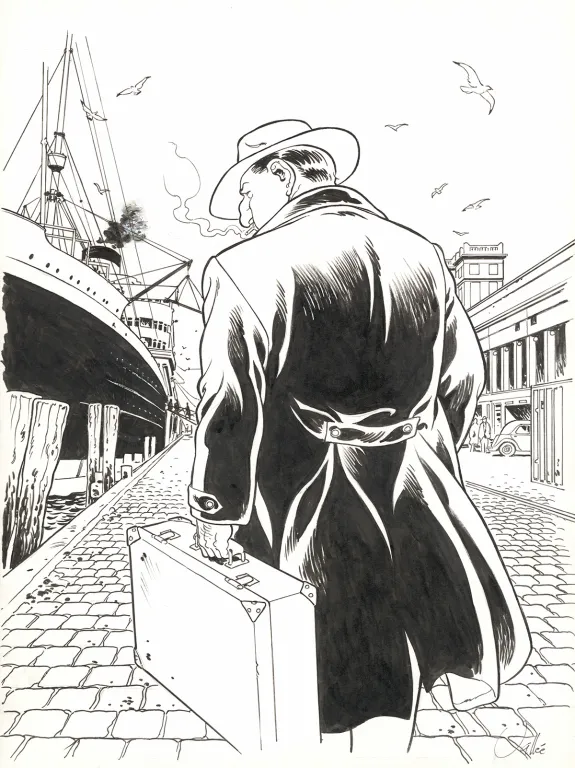
Il Était une fois en France
Original illustration Joseph on the run for the complete deluxe edition and for the T.6 BDMust…
3 500 € -
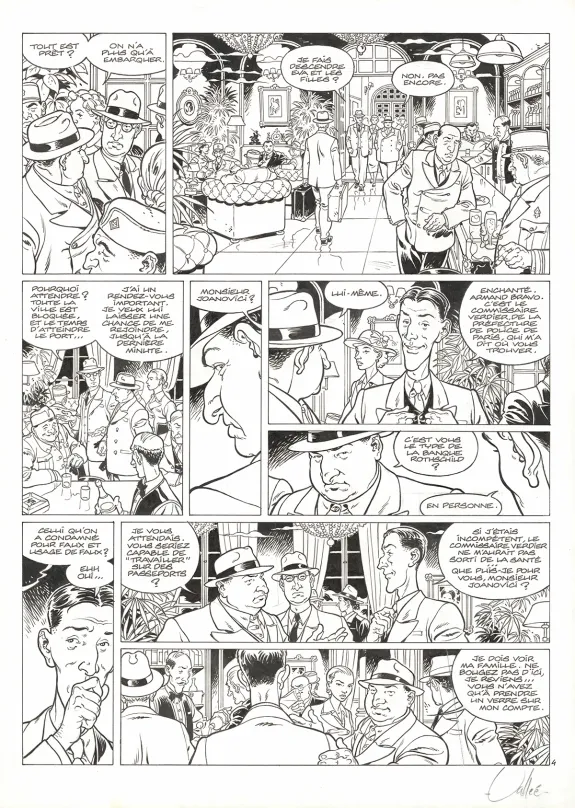
Original page n°04
2 500 € -
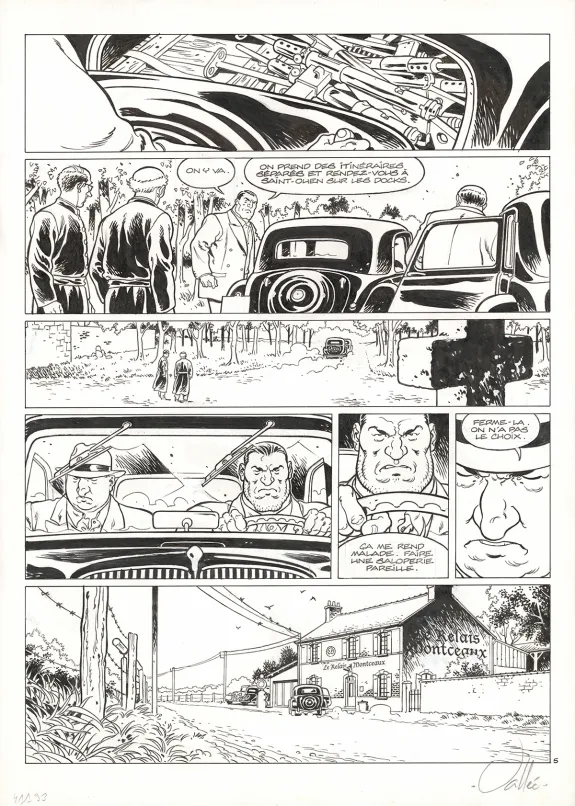
Original page 5, presence of drawing patches
2 300 € -
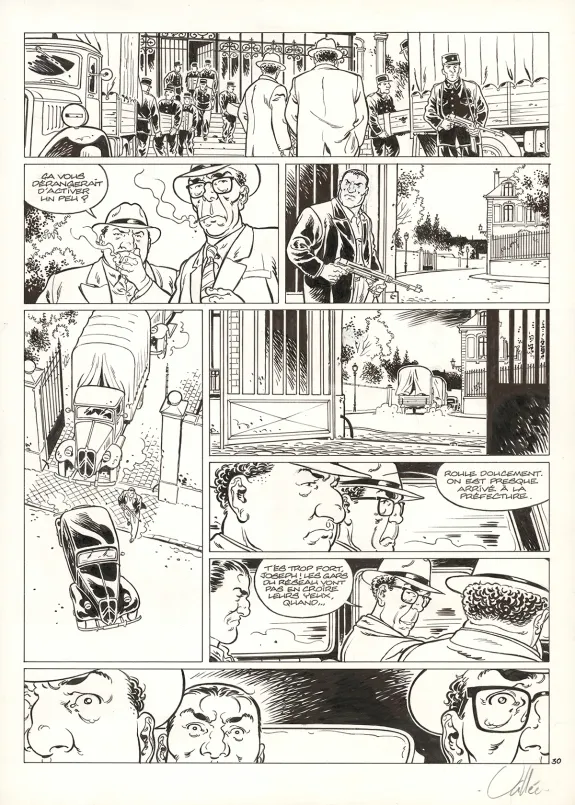
Original page n°30. Drawing patch case 3.
2 500 € -
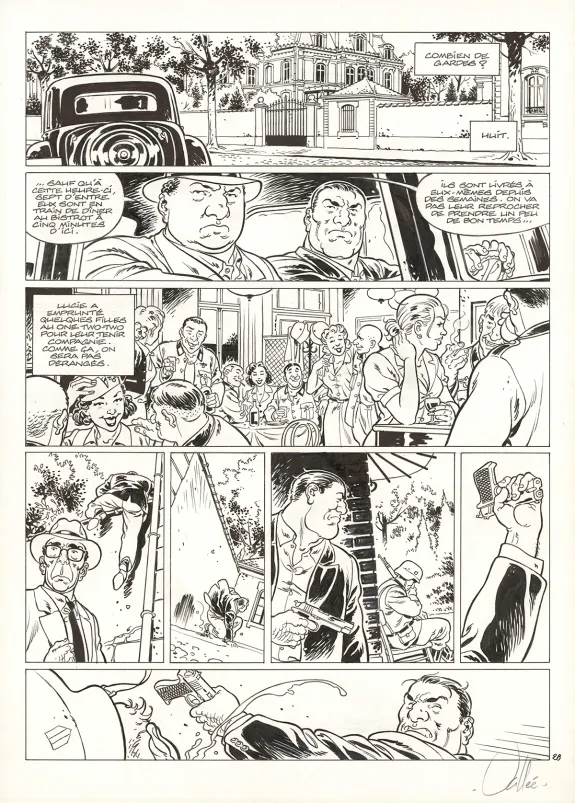
Original page n°28
2 500 €


You will also like...
-
-
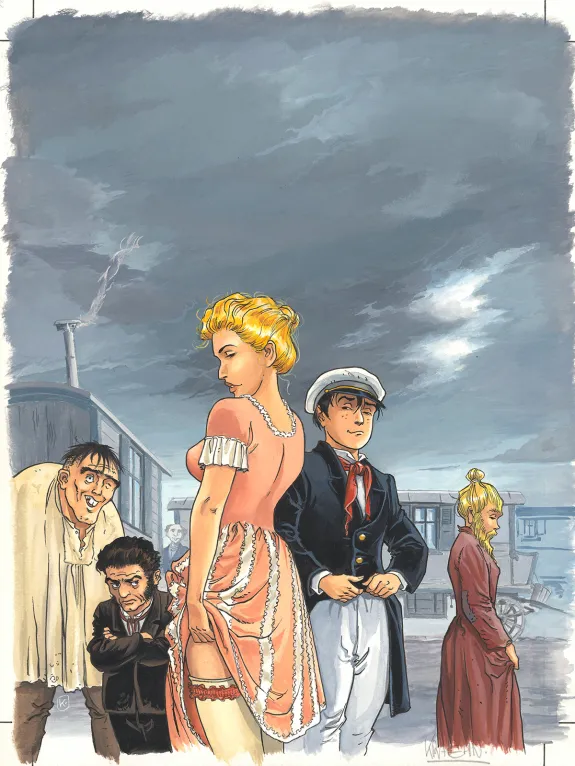
Original cover from the new edition
2 500 € -
-
-
-
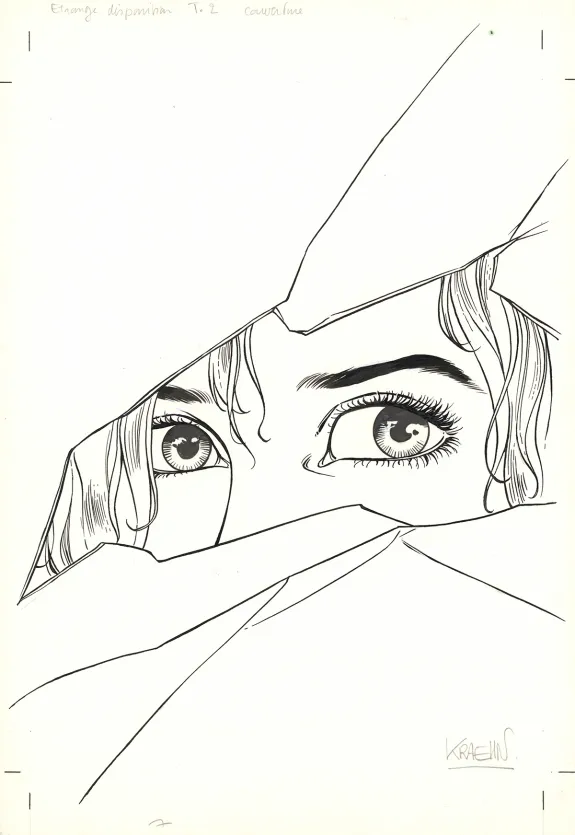
Original illustration with its blue color layout, containing a print.
1 500 € -
-
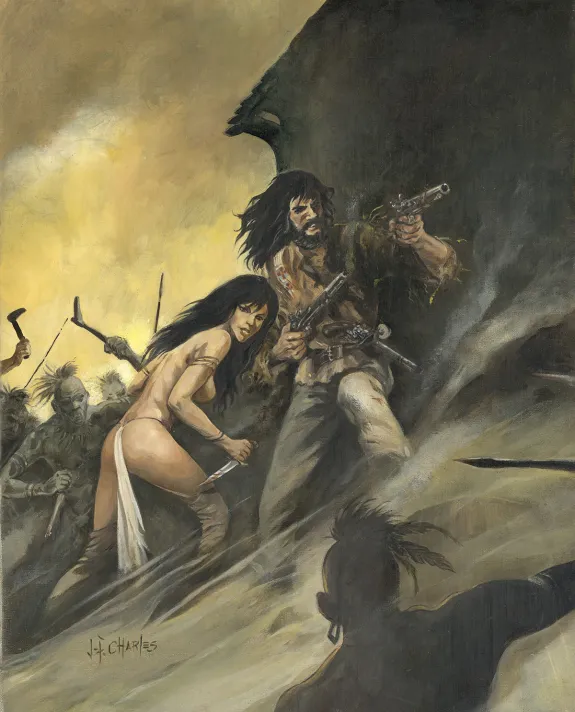
Original Cover
7 500 € -
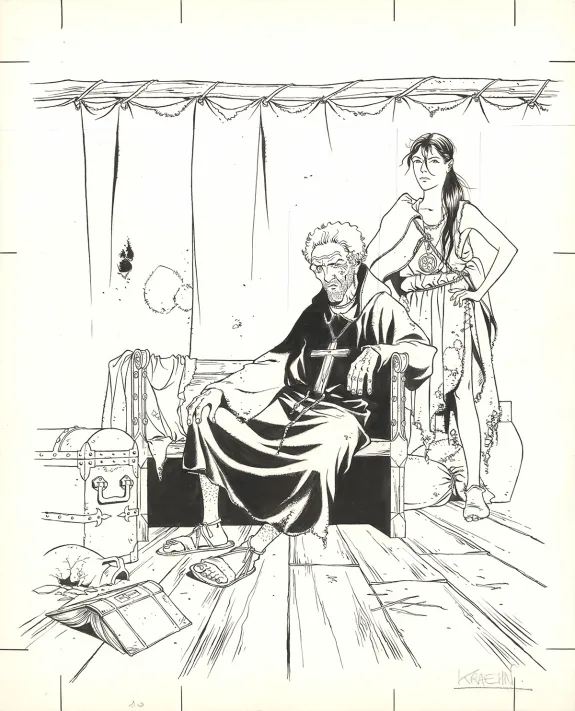
Original illustration with its Color layout blue, drawing patches.
1 800 € -
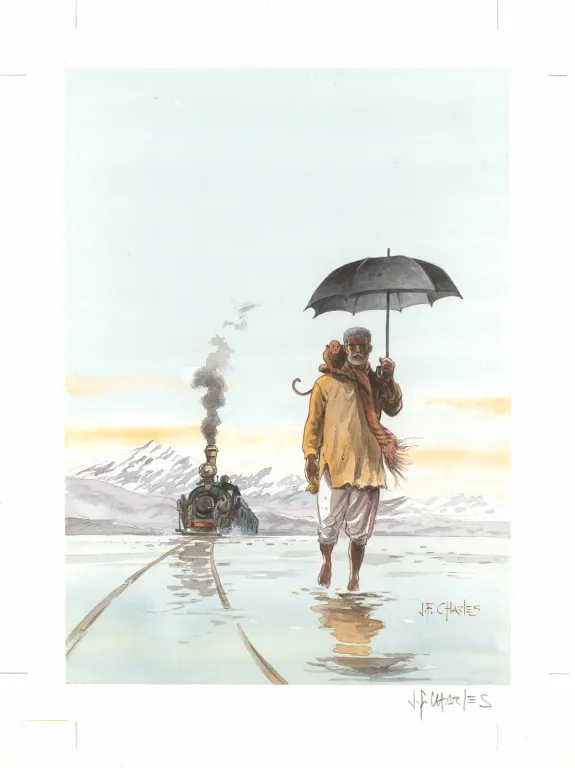
Original Cover
3 000 € -
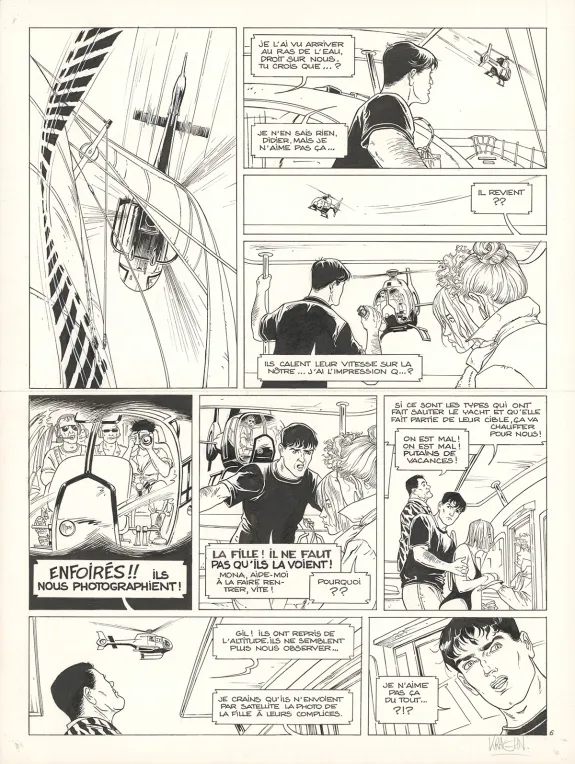
Original page 6, presence of drawing patches
1 200 € -