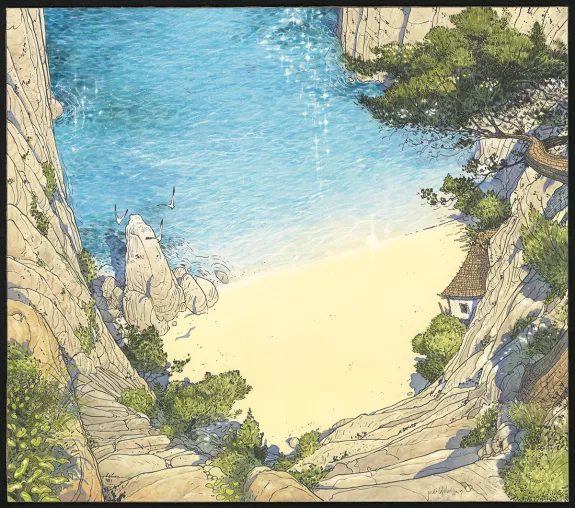
Didier Cassegrain
Topics :
- Heroic Fantasy
- Adventure
- Action
- Animal
From Animation to Comic Art
Didier Cassegrain began his career in animation after studying at the Gobelins school. He worked on television series at France Animation starting in 1988, before spending a year at the Disney studios in Montreuil under the guidance of Paul and Gaëtan Brizzi. In 1990, he joined Gangster Productions, where he worked for twelve years as a character designer in animation production. From those years in animation, he retained a keen sense of movement, framing, and color.
While working at Story, Didier Cassegrain crossed paths with Fred Blanchard and Olivier Vatine, who encouraged him to turn to comic art. From this encounter came Tao Bang, a heroic fantasy series whose first volume was published in 1999 by Delcourt. It was a true love at first sight: as early as 2006, he decided to entirely devote himself to comic art and, together with Fred Duval, began the science fiction series Code Mc Callum. Eclectic by nature, he then moved seamlessly between different worlds and genres: heroic fantasy with Arleston on L'Heure de la Gargouille (2011) and humor with Larh-Don (2012, based on a text by Dav, Vatine, and Claire Wendling). He then created the science fiction series Piège sur Zarkass for Ankama (2013–2014).
But it was in 2019 that Cassegrain reached a whole new level. Together with Fred Duval, he adapted Michel Bussi’s novel Les Nymphéas noirs (Black Water Lilies, Dupuis), an album created entirely using “direct coloring.” This impressionistic crime thriller—a vibrant tribute to Monet and Giverny—reveals him to be as much a painter as an illustrator, and stands as one of the graphic highlights of his generation. That same year, he made a radical shift in style with Conan le Cimmérien : Les Clous rouges, based on a text by Olivier Vatine and Régis Hautière (Glénat). In 2023, he reunited with Fred Duval for the thriller Ne lâche pas ma main. From one project to the next, a distinct signature emerges: that of a painter-colorist with a background in animation, capable of adapting his style to any genre while constantly pushing the boundaries of pictorial excellence.
Pages and artworks from Didier Cassegrain See all
-
-

-
-
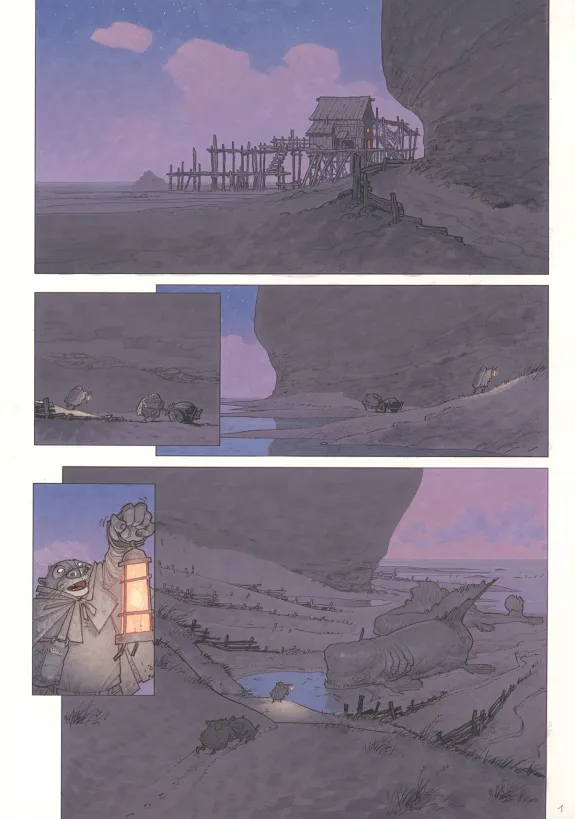
Original page n° 01
2 000 € -
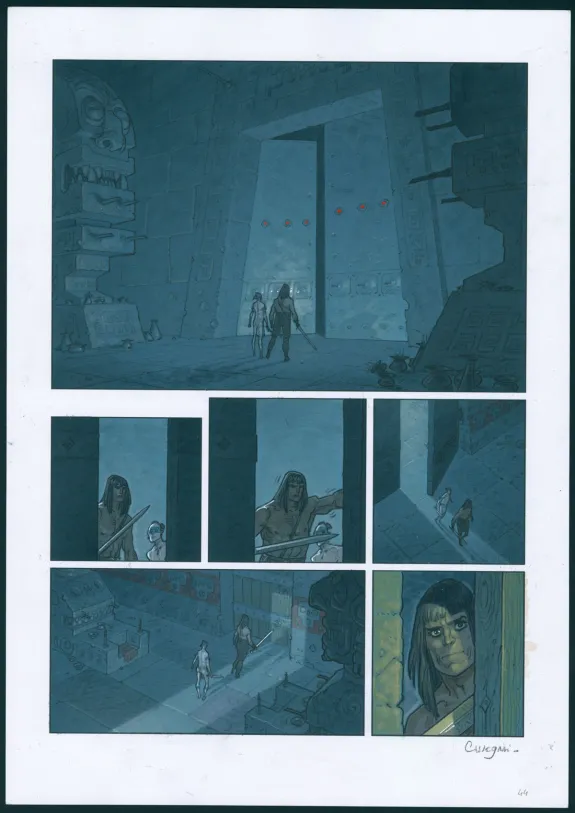
Original page n°44
1 800 € -
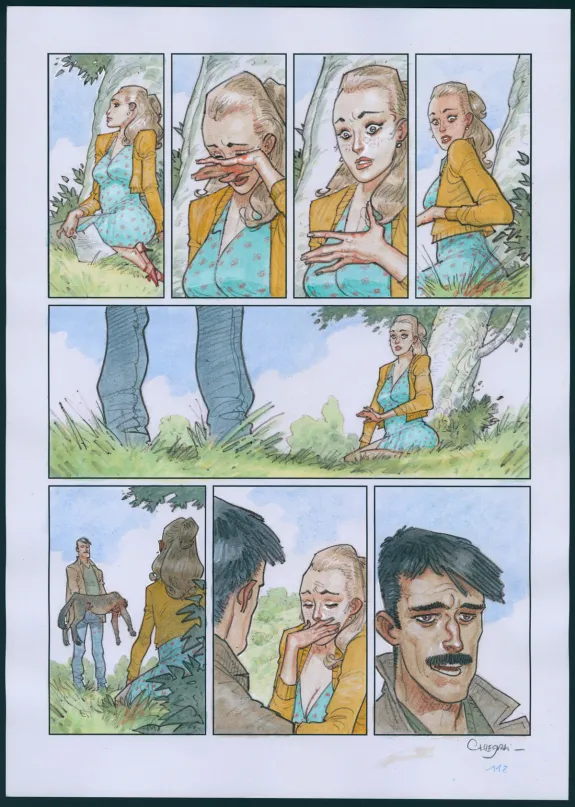
-
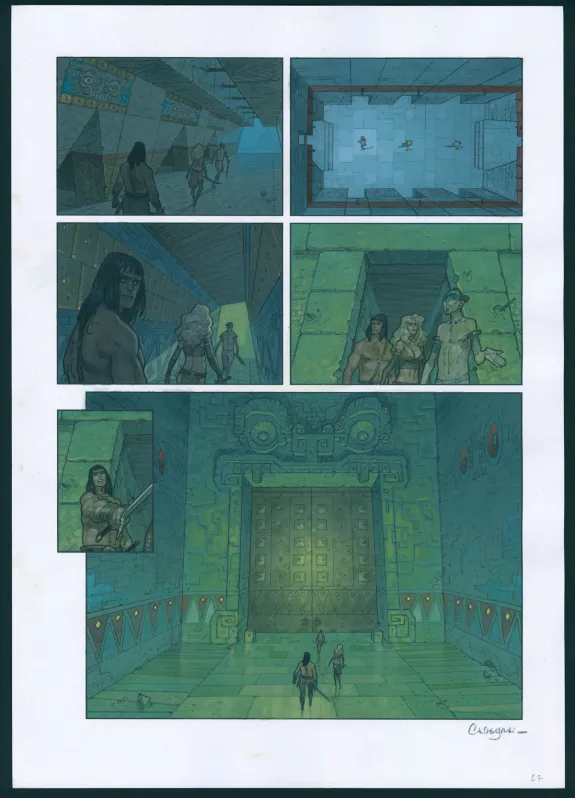
Original page n°27
1 800 €


Exhibitions of Didier Cassegrain See all
You will also like...
-
-
-
-
-
-
-
-
-
-
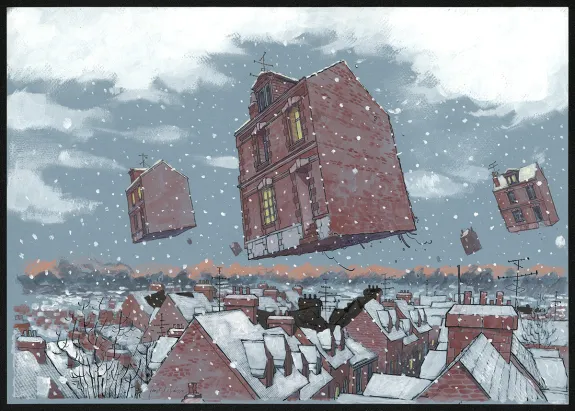
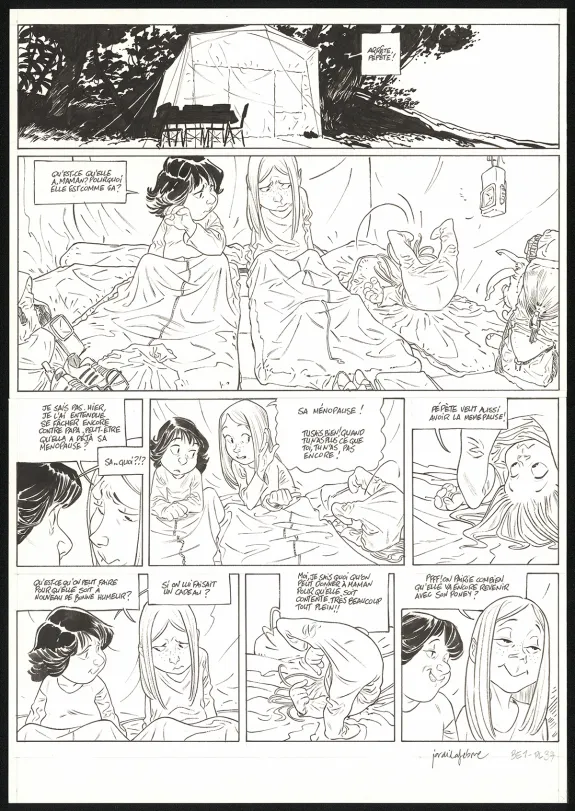
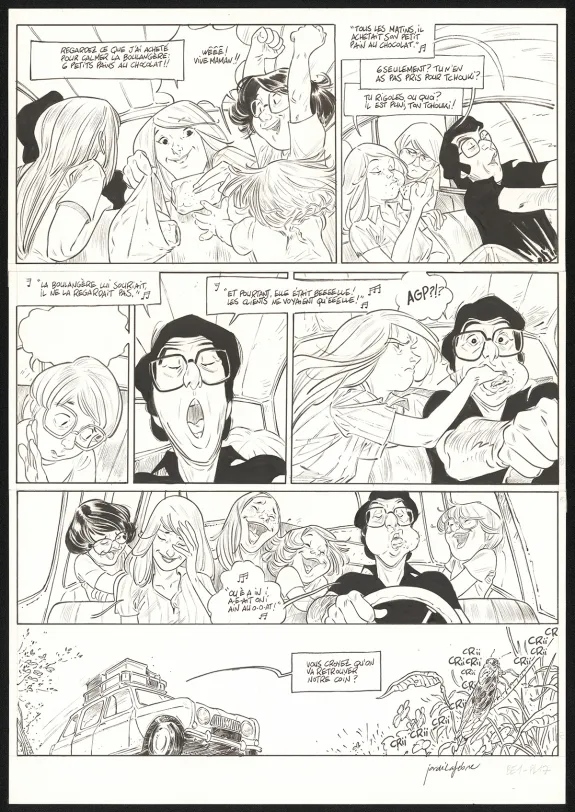
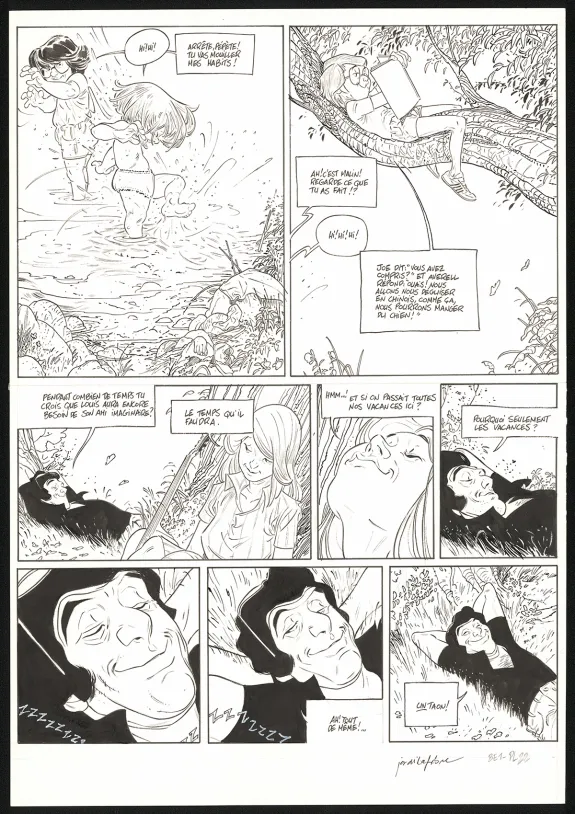
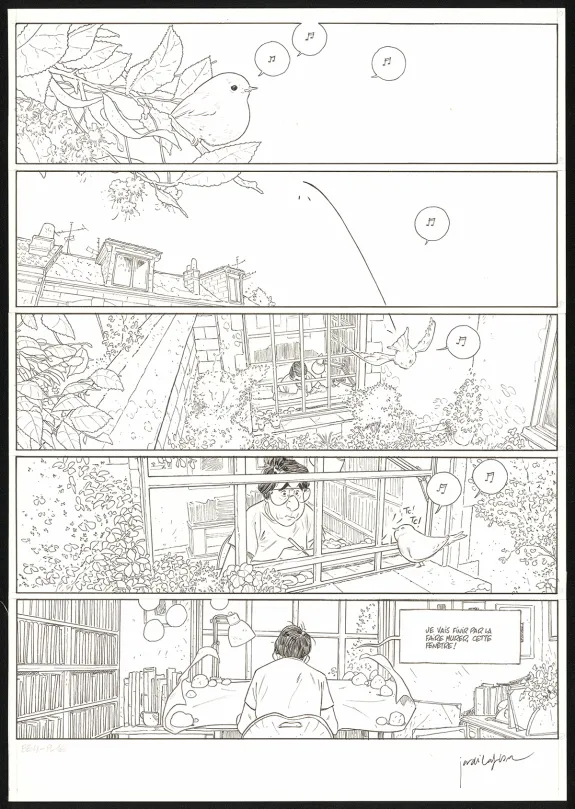
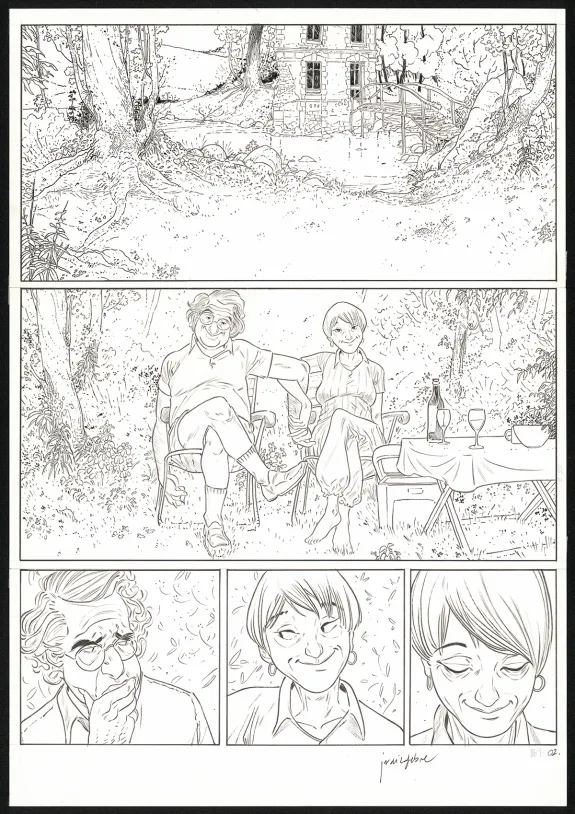
Illustration originale pour l'histoire "La Maison qui rêvait de partir en vacanes"
1 500 € -
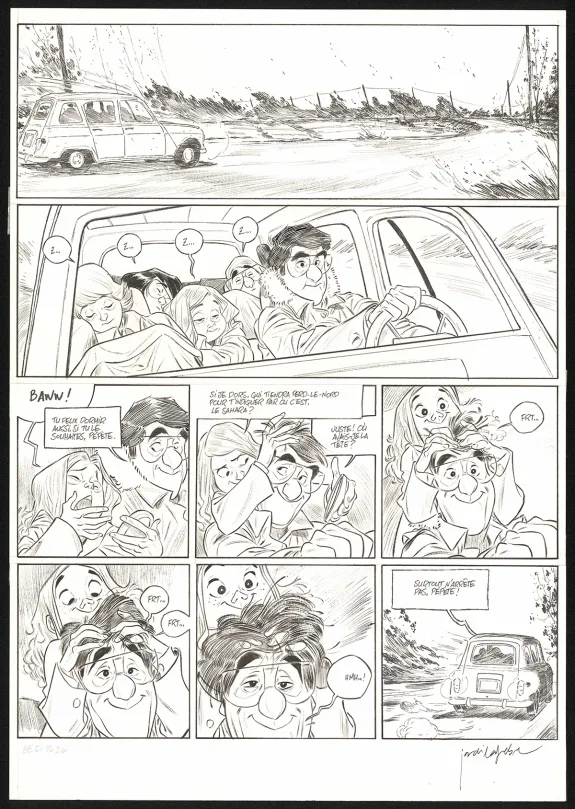
-