William Vance
Topics :
- Action
- Classical
- Thriller
- Adventure
- Historical
- Crime novel
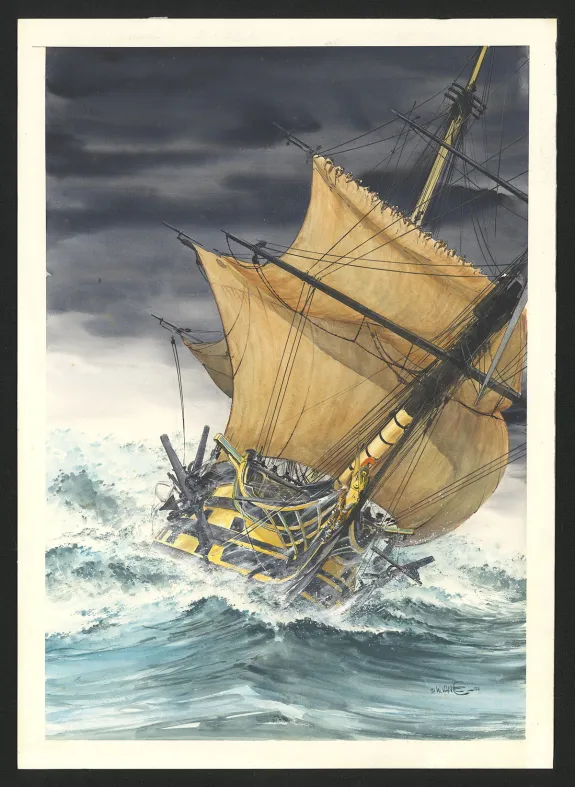
- Sailing
- Detective novel
- Western
- Blueberry Universe
- Science fiction
A Master of Realism, William Vance Ranks Among the Greatest Classics of the 9th Art
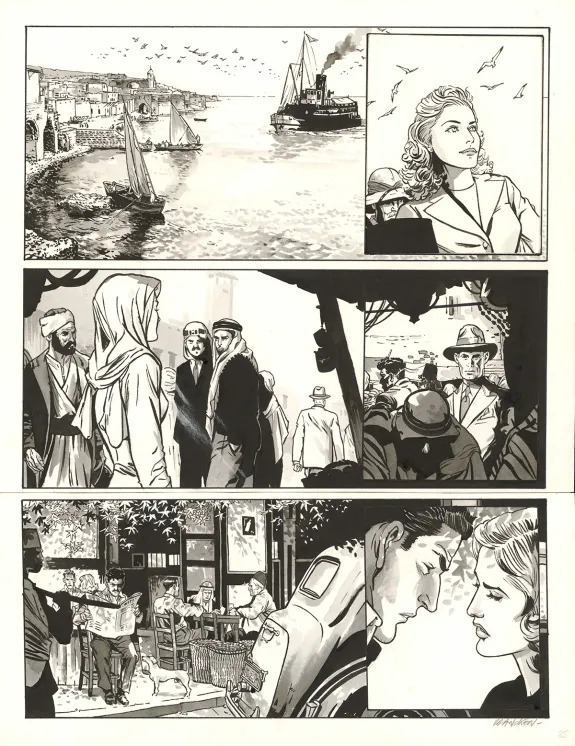
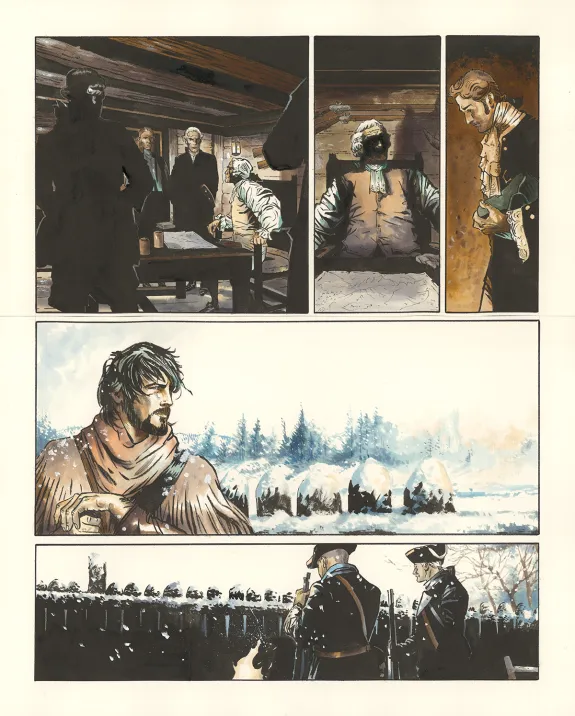
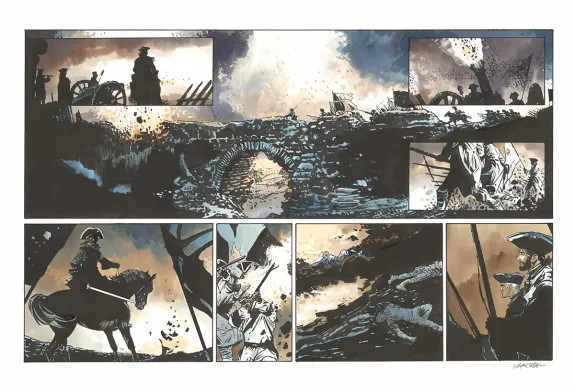
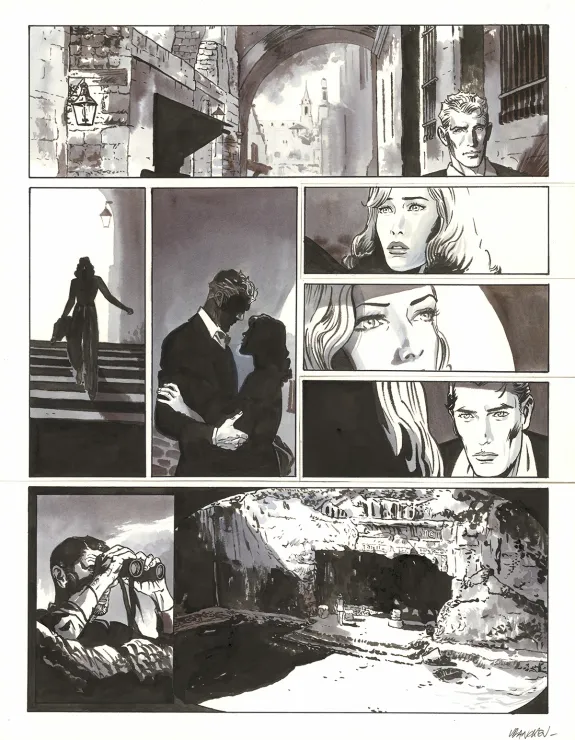
William Van Cutsen, also known as William Vance (1935–2018), was born in Belgium in 1935. After studying at the Royal Academy of Fine Arts and starting his career in advertising, he joined the magazine Tintin in 1962, where he adopted his pseudonym Vance. Initially hired as an illustrator, in 1964 he drew his first series, Howard Flynn, the story of a young privateer lieutenant, based on a script by Yves Duval. In 1965, he turned his attention to the world of the Western with the character Ringo, based on a script by Louis Albert (alias Greg). Together with Greg, he produced four short stories in 1967 centered on the secret agent Bruno Brazil in Tintin magazine. Eleven albums went on to be published featuring this character. In this series, Vance took risks by breaking free from the traditional single-page format and drastically reducing the supporting cast surrounding the main character. At the same time, he took over the famous character Bob Morane, created by Henri Vernes, succeeding Gérard Forton in the magazine Femme d’aujourd’hui. This collaboration lasted fifteen years before his brother-in-law and assistant, Coria, took over the series in 1979. Meanwhile, Vance produced covers for his friend Eddy Paape for the Luc Orient series. Also in Femme d’aujourd’hui, he produced two science-fiction stories in direct color, XHG C3, which were reprinted ten years later by the publisher Gibraltar. He also drew Ramiro (script by Jacques Stoquart), a series he was particularly fond of as it was set in his adopted country, Spain. Due to a lack of time, Vance never finished it. In 1976, he created the character Bruce J. Hawker, a privateer abandoned by his own kind who seeks to find his place in society. From the fourth volume onwards, he teamed up with André-Paul Duchateau for the scripts. It was in 1984 that XIII was first published, based on a script by Jean Van Hamme. This series, published by Dargaud, went on to enjoy considerable success. It features an amnesiac hero suspected of having killed the President of the United States… In 1991, he revived the character of Marshal Blueberry for two albums, based on a script by Jean Giraud. For the magazine Curiosity, William Vance drew the Western Mongwy under a pseudonym in the late 1970s. Vance was a prolific author with a wide range of different series to his name. His mastery of drawing allowed him to diversify his choices and explore all genres (science fiction, detective stories, historical tales, etc.). In 1995, Le Lombard reissued Bruno Brazil with new covers and new coloring. Since 2002, the Tout Vance (The Complete Vance) collection (Le Lombard-Dargaud) has not only reprinted several of the artist’s series (Howard Flynn, Roderic), but has also published five volumes of previously unpublished work. In 2010, he announced in Le Figaro that he was stepping down from the XIII series, revealing the true reasons behind his decision: Parkinson’s disease. At auction, Vance’s artworks are snapped up by the highest bidders. In 2017, the illustration used for the back cover of the XIII albums published from 1990 onwards was sold for €104,500 (including VAT), setting a world record for this artist. Galerie Daniel Maghen dedicated a major retrospective to him that same year, covering his entire career and bringing together more than 200 works from his greatest series. The artist died in 2018 at the age of 82 in Spain.
Some artists possess a power of evocation that shines through in every drawing. William Vance is one of them. With his somewhat 'rough' pen-and-ink linework – a technique he inherited from the Dutch comic artist Hans Kresse – and his smoky ink washes, William Vance is truly a master of atmosphere. Added to this is a narrative power that is evident in each of the artist's illustrations.
Didier Pasamonik
Credits :
Vance © Le Lombard (Dargaud - Le Lombard, s.a), 2026 (banner)
Pages and artworks from William Vance See all
-
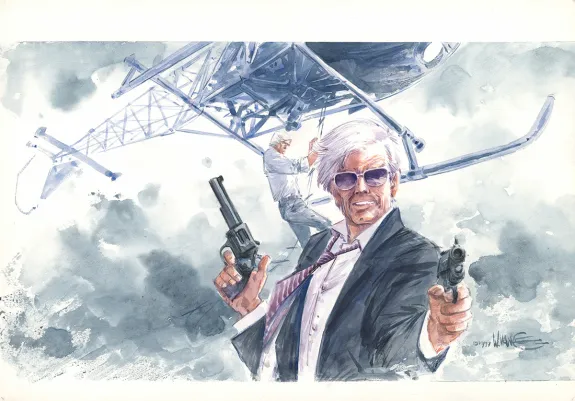
Original cover from the 1997 reissue
3 500 € -
-
-
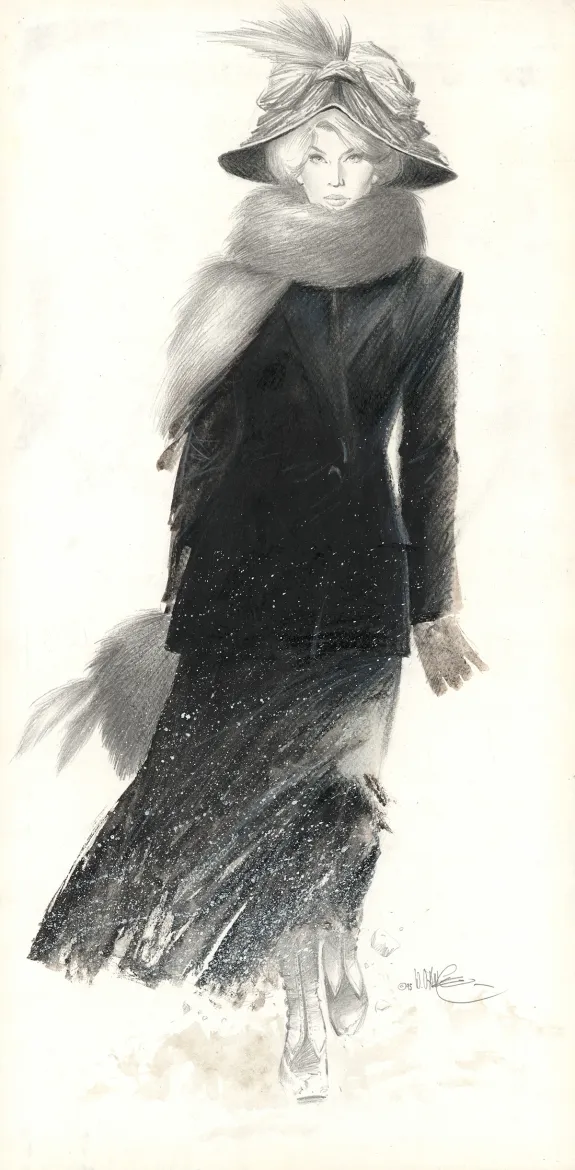
William Vance
XIII
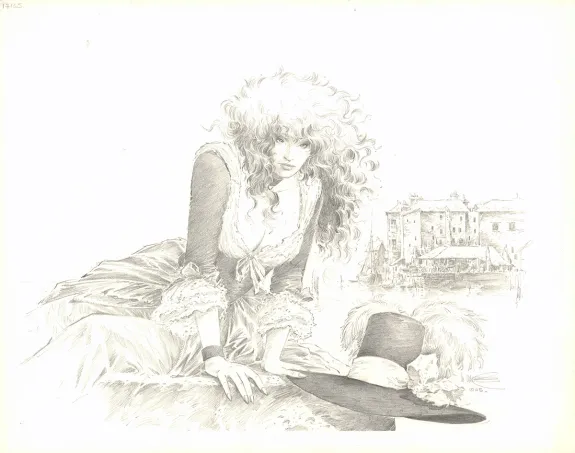
Original illustration for the portfolio Only XIII Woman published by Champaka in 1996.
5 000 € -

-
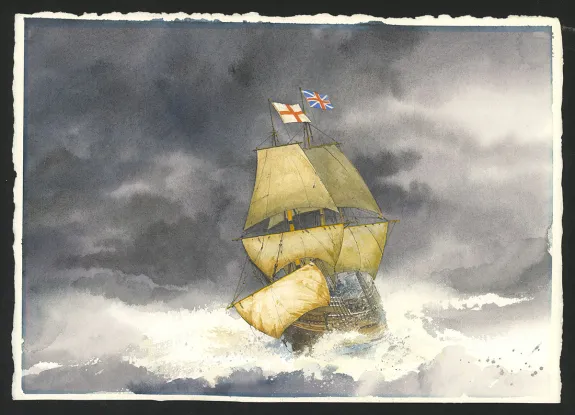
Original illustration used for cover design
6 000 € -

-
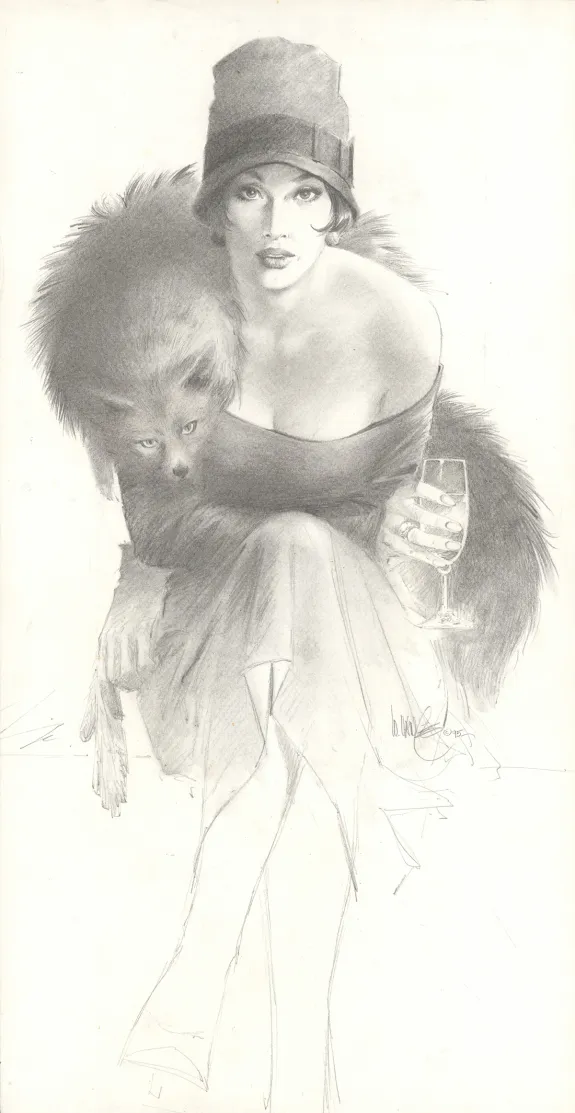
William Vance
XIII
Original illustration for the portfolio Only XIII Woman published by Champaka in 1996.
5 000 € -
-
-
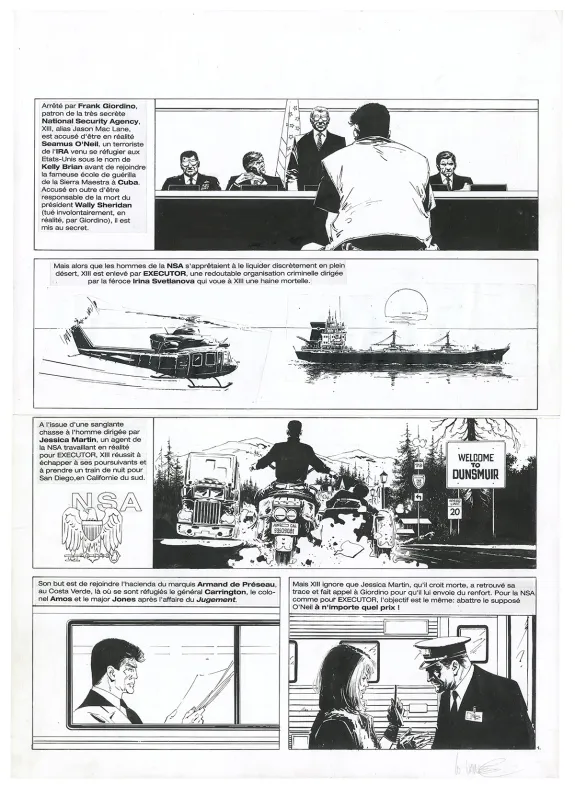
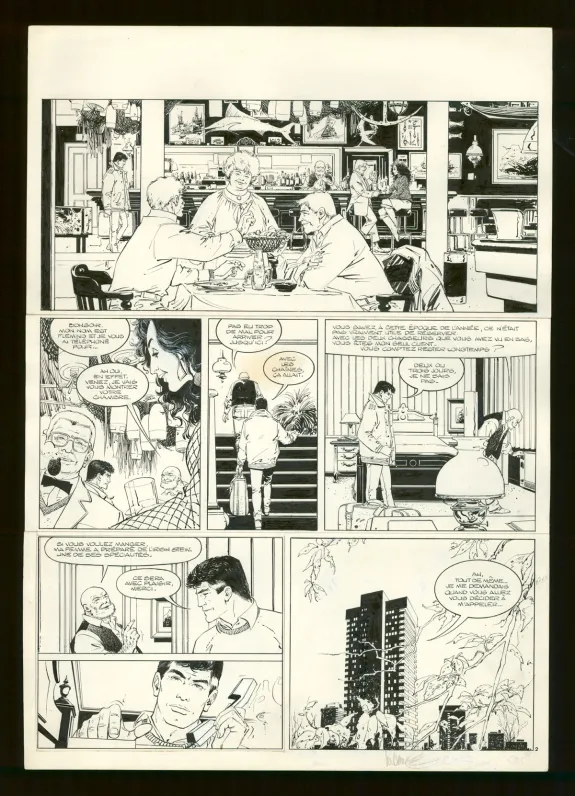
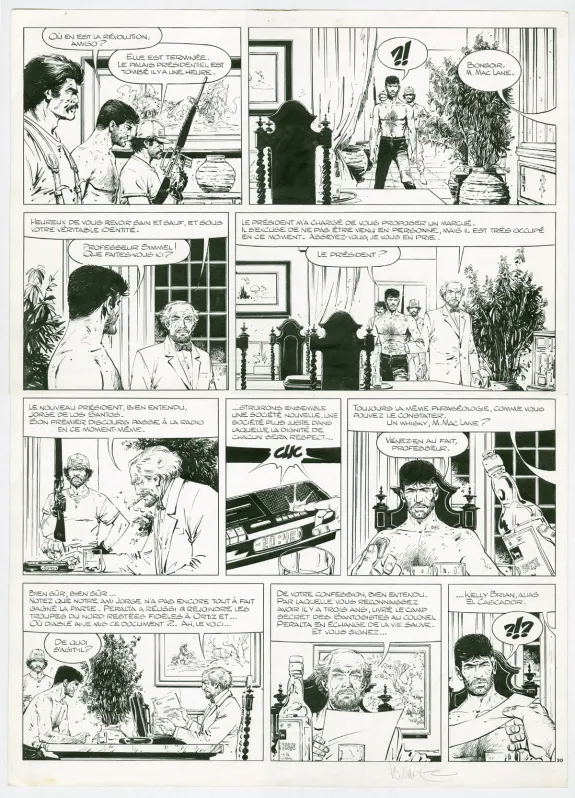
Planche originale n° 1. Les phylactères et les décors en case 2 sont des reproductions apposées sur…
4 000 € -

Original double pages #14 and #15, Speech bubbles glued together
7 000 €


You will also like...
-
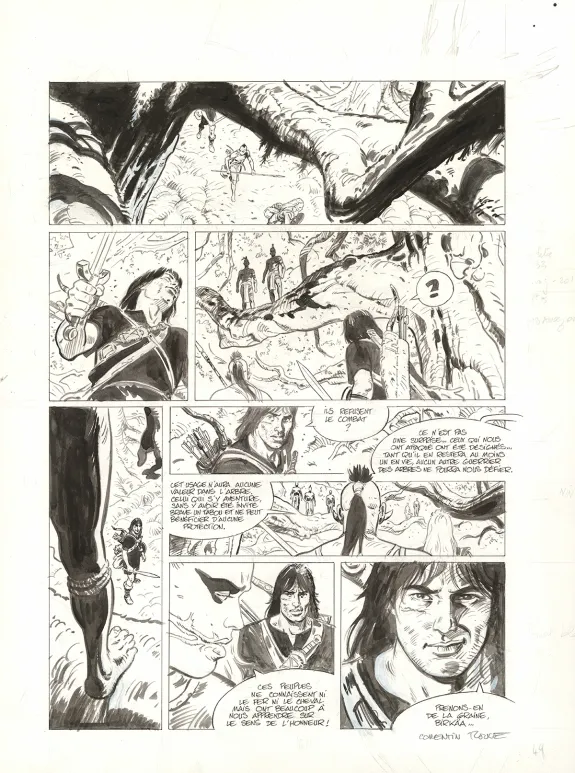
Original page no. 050, white correction fluid used
2 500 € -
-
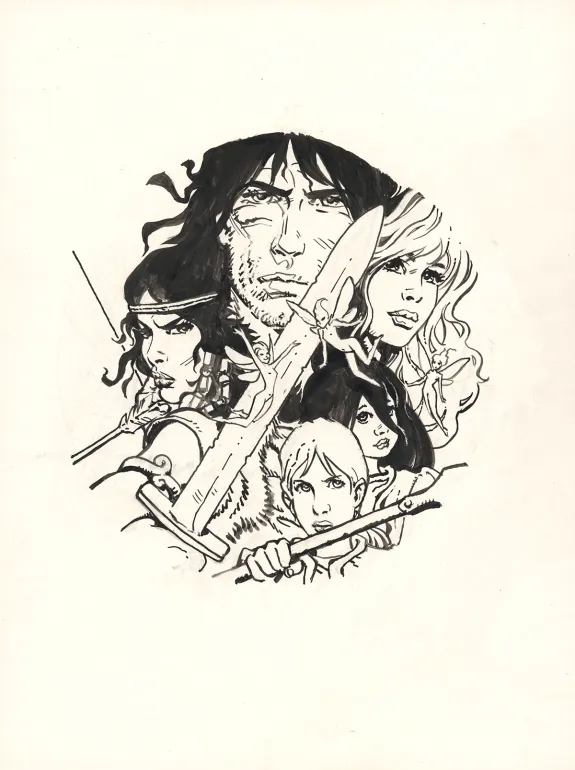
Grzegorz Rosinski
Thorgal
Original illustration, Drawing project to decorate the BD'Sphère at the Sierre BD Festival, bronze…
7 000 € -
-
-
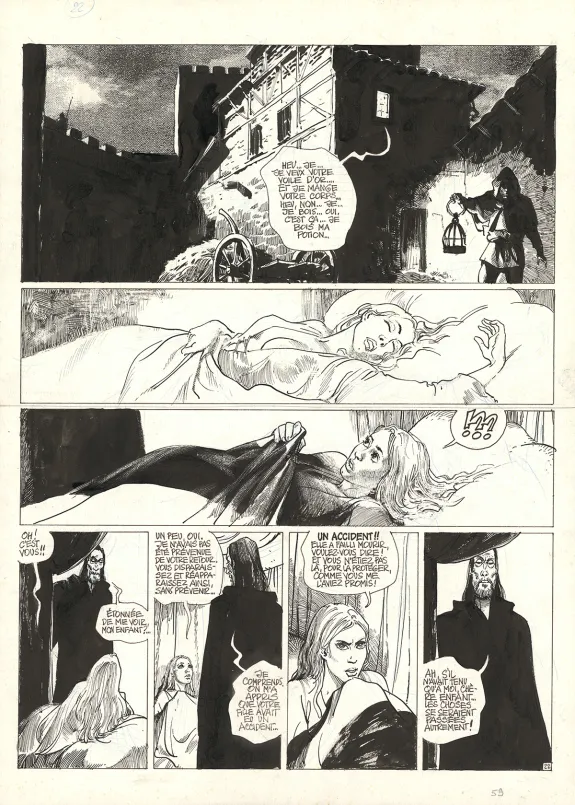
Original page n°22
7 000 € -
-
-
-
-